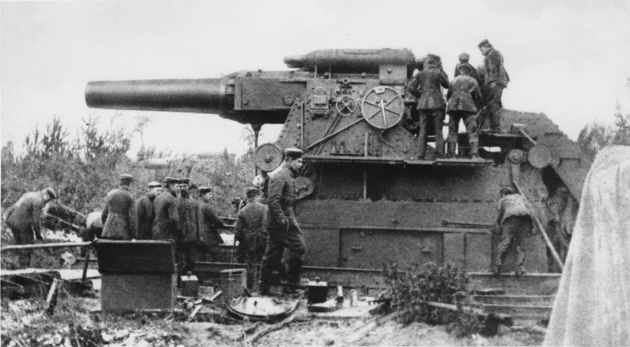
German Army's artillery assault on Antwerp in WWI led to a significant siege in Belgium.
Germany
Military
4 min read
Updated By: History Editorial Network (HEN)
Published:
Updated:
The German Army initiated a large-scale artillery assault on Antwerp, triggering an extended siege that heightened the war in Belgium. This offensive strategic move was part of World War I. Antwerp, Belgium's significant port city, held both strategic and symbolic importance.
Prior to the bombardment, the German forces had successfully invaded and occupied substantial parts of Belgium. However, Antwerp remained a critical stronghold for Belgian and Allied forces. The city's formidable defensive fortifications made it a challenging target for the German Army.
The bombardment included the deployment of heavy artillery, including the use of massive Howitzers, which were capable of delivering devastating firepower. The heavy shelling caused widespread destruction and created chaos among the defenders. This relentless artillery fire succeeded in breaching the outer defenses of the city.
The siege of Antwerp had far-reaching impacts on the conflict. It caused significant casualties on both sides, disrupting civilian life and resulting in a mass exodus of residents seeking safety. The fall of Antwerp marked a strategic victory for the Germans, enabling them to consolidate their control over Belgium and to secure a critical supply route.
The prolonged siege also influenced the war by causing the Allies to reassess their strategies regarding Belgium and by mobilizing resources to aid in the defense of remaining Belgian territories.
#WWI #AntwerpSiege #GermanArmy #BelgiumConflict #MilitaryHistory #HistoricalEvents #MoofLife
Explore the Life Moments of
 AI Twin