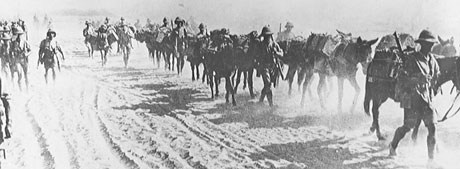
British forces' failed attempt to lift the Ottoman siege of Kut during WWI.
Germany
Military
4 min read
Updated By: History Editorial Network (HEN)
Published:
Updated:
During World War I, British forces initiated another attempt to break the Ottoman siege of Kut in Mesopotamia. This operation aimed to relieve the British Indian garrison trapped by the Ottomans since December. Despite earlier efforts, the morale of the besieged garrison steadily declined under increasingly dire conditions.
The operation commenced with British troops advancing towards heavily fortified Ottoman positions. They encountered well-prepared defenses and were subject to intense artillery and rifle fire. The rugged terrain and challenging logistical situation further impaired the British assault capabilities.
The battle resulted in heavy casualties for the British forces. Reports estimate that the losses included thousands of soldiers, either killed, wounded, or captured, reflecting the severe nature of the confrontation. The inability to relieve Kut continued to deplete Allied resources and morale in the region.
The Siege of Kut had broader implications for the Mesopotamian campaign. It showcased the strategic importance of the town due to its location on the Tigris River route, critical for controlling access to the Persian Gulf and protecting Britain's interests in the Middle East, particularly oil resources.
Ultimately, the failed attempt reinforced the Ottoman Empire's tenacity and tactical prowess. For the British, it underscored the challenges of engaging in extended supply lines and operating in unfamiliar, hostile environments. The garrison at Kut eventually succumbed, leading to its surrender and marking one of the darker chapters in the Mesopotamian theater.
#BritishForces #OttomanEmpire #Kut #WorldWarI #MesopotamianCampaign #MilitaryHistory #Warfare #MoofLife
Primary Reference
Mesopotamia campaign | National Army Museum

Explore the Life Moments of
 AI Twin