Brutal Gas Warfare on the Western Front
Germany
Military
4 min read
Updated By: History Editorial Network (HEN)
Published:
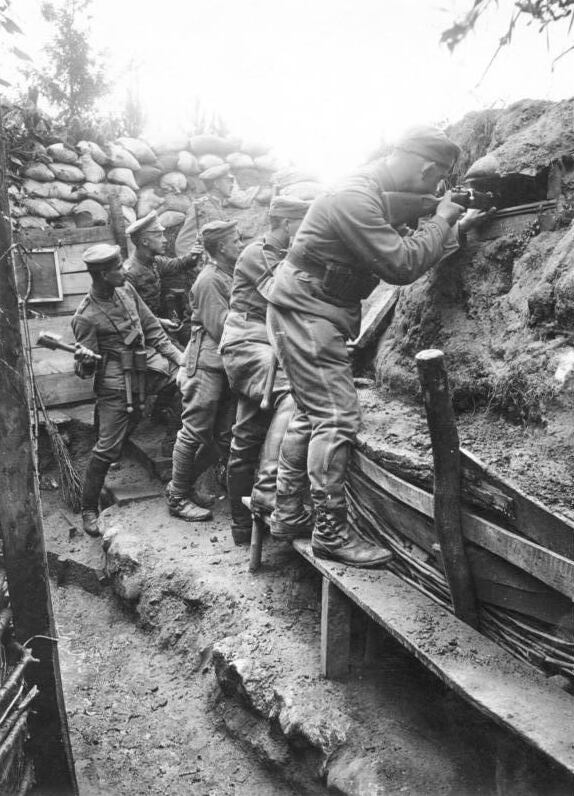
The Western Front became a focal point of relentless combat when trench warfare intensified, with both sides fortifying their positions and adjusting to the brutal realities of gas warfare. Trench systems spanned hundreds of miles, creating a stagnant and deadly front that extended from the North Sea to the Swiss border. As soldiers faced horrendous conditions and constant threats, the introduction of poisonous gas marked a turning point in military tactics.
The use of gas, initially by German forces, introduced a new element of terror and uncertainty. Chlorine gas, when deployed, caused severe respiratory damage and often led to a slow, painful death. This forced both Allied and Central Powers to adopt new defensive measures, such as gas masks, and to develop counter-tactics. Gas alerts and counter-attacks became routine, adding to the complexity and danger of trench warfare.
Statistics reveal the devastating toll on human life. Millions of soldiers endured relentless artillery bombardments and machine-gun fire, exacerbated by the lethal gas. Casualty figures soared, with thousands suffering both physical and psychological trauma. The environment within the trenches, plagued by mud, vermin, and disease, only compounded the misery of those fighting on the front lines.
In response to gas warfare, military strategies evolved. Innovations in offensive techniques, such as creeping barrages and infiltration tactics, emerged to break the deadlock. These efforts, however, often resulted in limited gains and high casualties. The war of attrition saw both sides expending immense resources and manpower in a bid to achieve a decisive victory.
#MoofLife #WWI #TrenchWarfare #GasWarfare #WesternFront #MilitaryHistory
Explore the Life Moments of
 AI Twin