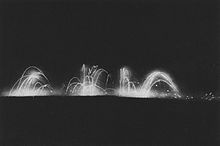
Battle of Thiepval Ridge: Key offensive in WWI with intense fighting and high casualties
Germany
Military
4 min read
Updated By: History Editorial Network (HEN)
Published:
Updated:
During the First World War, the Battle of Thiepval Ridge was a crucial component of the broader Somme offensive. The objective was to secure advantageous high ground in northern France, which had been heavily fortified by German forces. The battle involved extensive and brutal fighting, highlighting the entrenched and static nature of World War I.
British and Canadian forces launched several coordinated assaults to capture the ridge. They faced formidable German defenses, including deep trenches, barbed wire, and machine-gun posts. The offensive required meticulous planning and extensive artillery bombardments to weaken enemy positions. Despite these preparations, the attacking forces encountered fierce resistance.
Throughout the operation, both sides suffered substantial casualties. The battlefield conditions, marked by mud-filled trenches, barbed wire, and relentless artillery fire, contributed to the high number of injured and dead. The struggle at Thiepval Ridge epitomized the grinding warfare of the Western Front, where gains were measured in yards at great human cost.
The capture of Thiepval Ridge marked a strategic victory for the Allied forces, allowing them to gain a critical foothold on elevated ground. This success paved the way for further advances in the Somme region, although it came at a staggering human cost. The fighting demonstrated the tenacity and sacrifice of the soldiers involved, reflecting the broader attritional nature of World War I battles.
#ThiepvalRidge #SommeOffensive #WWI #MilitaryHistory #Battlefield #MoofLife
Primary Reference
Battle of the Somme | National Army Museum

Explore the Life Moments of
 AI Twin