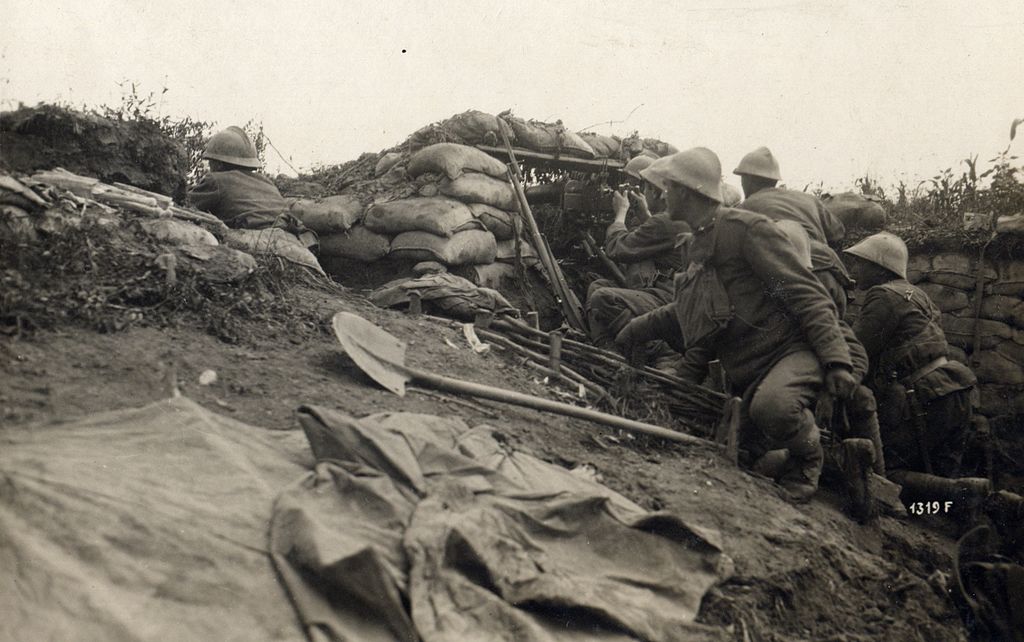
Austro-Hungarian offensive at Piave River shifts WWI dynamics, leading to empire's collapse.
Germany
Political
4 min read
Updated By: History Editorial Network (HEN)
Published:
Updated:
During World War I, the Austro-Hungarian offensive at the Piave River marked a critical turning point on the Italian Front. The offensive aimed to break the Italian lines and secure a decisive victory. Austro-Hungarian forces launched a significant assault on the Piave River, hoping to capitalize on their numerical superiority and strategic positioning.
However, the Italian troops, bolstered by reinforcements and strategic planning, mounted a robust defense. The Austro-Hungarian forces faced logistical challenges, difficult terrain, and well-prepared Italian defenses. As a result, the offensive stalled, and heavy casualties were sustained on both sides.
The impact of the failed offensive was profound. The Austro-Hungarian military was forced into a defensive posture. This shift marked the end of Austro-Hungarian ambitions on the Italian Front. The Italian forces, emboldened by their success, pressed their advantage, eventually leading to further successes in subsequent battles.
The failure at the Piave River had significant repercussions. It weakened the morale of the Austro-Hungarian troops and strained their resources, contributing to the eventual collapse of the Austro-Hungarian Empire. The Italian Front became a pivotal theater of operations, influencing the broader dynamics of World War I and contributing to the eventual outcome.
Key facts from this period underscore the immense human cost of the conflict. The Austro-Hungarian forces incurred thousands of casualties, and the battlefield conditions were marked by the hardships of trench warfare and the challenges of supply lines stretched thin.
#MoofLife #WWI #ItalianFront #PiaveRiver #AustroHungarianForces #MilitaryStrategy #HistoricalImpact #TurningPoint #Defense #WarHistory
Primary Reference
Italian Front / 1.0 / handbook - 1914-1918-Online (WW1) Encyclopedia
Explore the Life Moments of
 AI Twin