Italian Front: Brutal winter trench warfare along Isonzo River shaped World War I's secondary theatre.
Germany
Military World War I
3 min read
Updated By: History Editorial Network (HEN)
Published:
Updated:
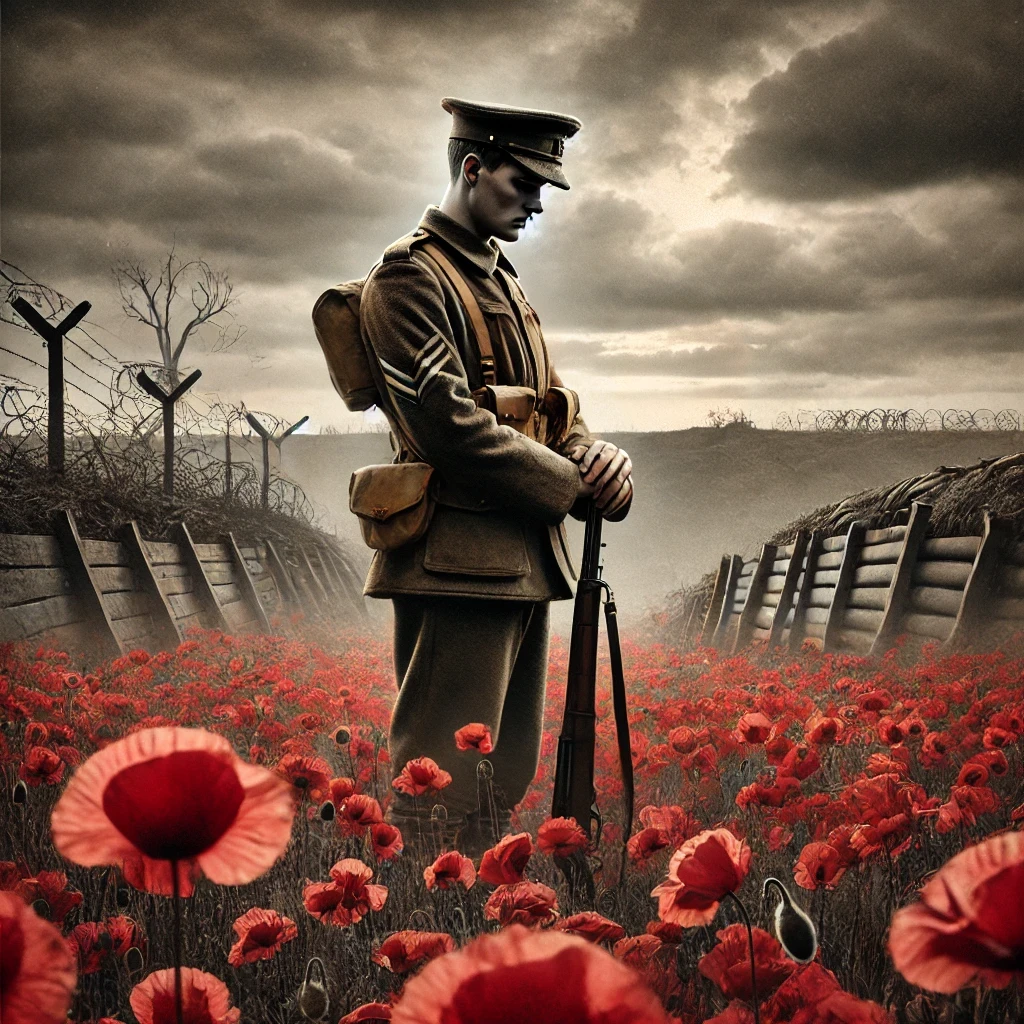
During World War I, trench warfare persisted along the Isonzo River, where Italian and Austro-Hungarian forces faced grueling winter conditions. The Italian Front, stretching over 400 miles, was a secondary theatre of the war. However, it demanded significant resources and attention from both sides.
The Isonzo River, with its challenging terrain of mountains and rivers, became a focal point for numerous battles, though they produced little strategic gain. Trench systems established on both sides became the front lines, where soldiers endured severe cold, scarce supplies, and constant threats from enemy fire. Harsh winter weather, including heavy snowfall and sub-zero temperatures, exacerbated the living conditions. Troops were often exposed to frostbite and disease.
Statistics indicate that along the Italian Front, including the Isonzo River sector, upwards of 600,000 soldiers were eventually deployed by both sides over the course of the conflict. Most trenches were poorly constructed due to rocky ground conditions, offering minimal protection against winter. Logistical challenges meant that moving equipment and supplies through snow-covered mountains further strained the already scarce resources.
The strategic importance of the Isonzo battles lay not in their immediate gains but in drawing Austro-Hungarian resources away from other fronts, impacting their overall war capacity. #MoofLife #WorldWarI #TrenchWarfare #IsonzoRiver #MilitaryHistory
Primary Reference
World War I Timeline: Battles & Major Events | HISTORY
Explore the Life Moments of
 AI Twin