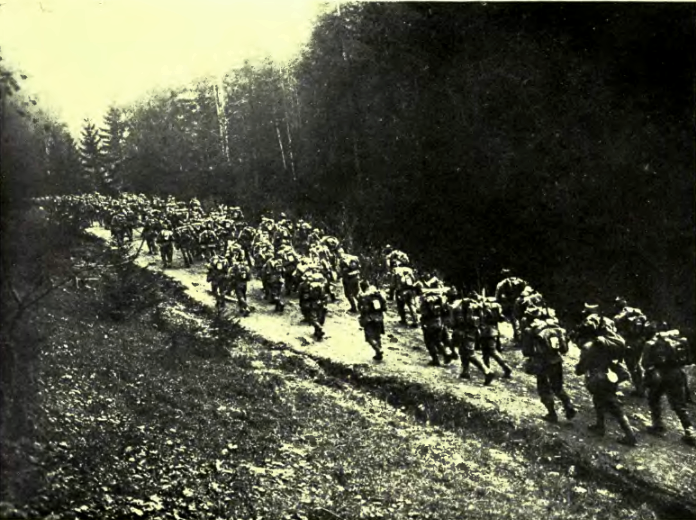
Battle of Transylvania: Allies' advance halted by Central Powers in crucial WWI episode.
Germany
Political
Military
4 min read
Updated By: History Editorial Network (HEN)
Published:
Updated:
The Battle of Transylvania represented a crucial episode in World War I, with the Allies' intent to outflank the Central Powers by pushing Romanian forces into Austro-Hungarian territory. Romania, having recently entered the war on the side of the Allies, aimed to capitalize on a perceived advantage, given its geographical positioning. The Romanian military initiatives initially appeared successful as they moved deeper into Transylvania. However, the response from the Central Powers was swift and decisive.
German and Austro-Hungarian forces, equipped with superior logistical support and strategic command, launched counterattacks that halted Romanian advances. These counteroffensives undermined Romanian momentum, forcing them into a retreat. This withdrawal signaled a setback for the Allies as the Central Powers reinforced their hold over the territory.
The engagement highlighted key dynamics of World War I, where rapid advances were often met with equally rapid countermeasures, leading to extensive casualties on both sides. The numerical superiority and strategic acumen of Central Powers in this theater emphasized the complexities of warfare on the Eastern Front.
The implications of the Battle of Transylvania were significant, affecting Romanian military capability and morale, while also reinforcing the Central Powers' defensive posture in the region. It underscored the brutality and unpredictability of the war, influencing subsequent military operations and strategic decisions.
#MoofLife #WorldWarI #TransylvaniaBattle #CentralPowers #RomanianForces #MilitaryHistory #EasternFront
Primary Reference
Battle of Transylvania - Wikipedia
Explore the Life Moments of
 AI Twin