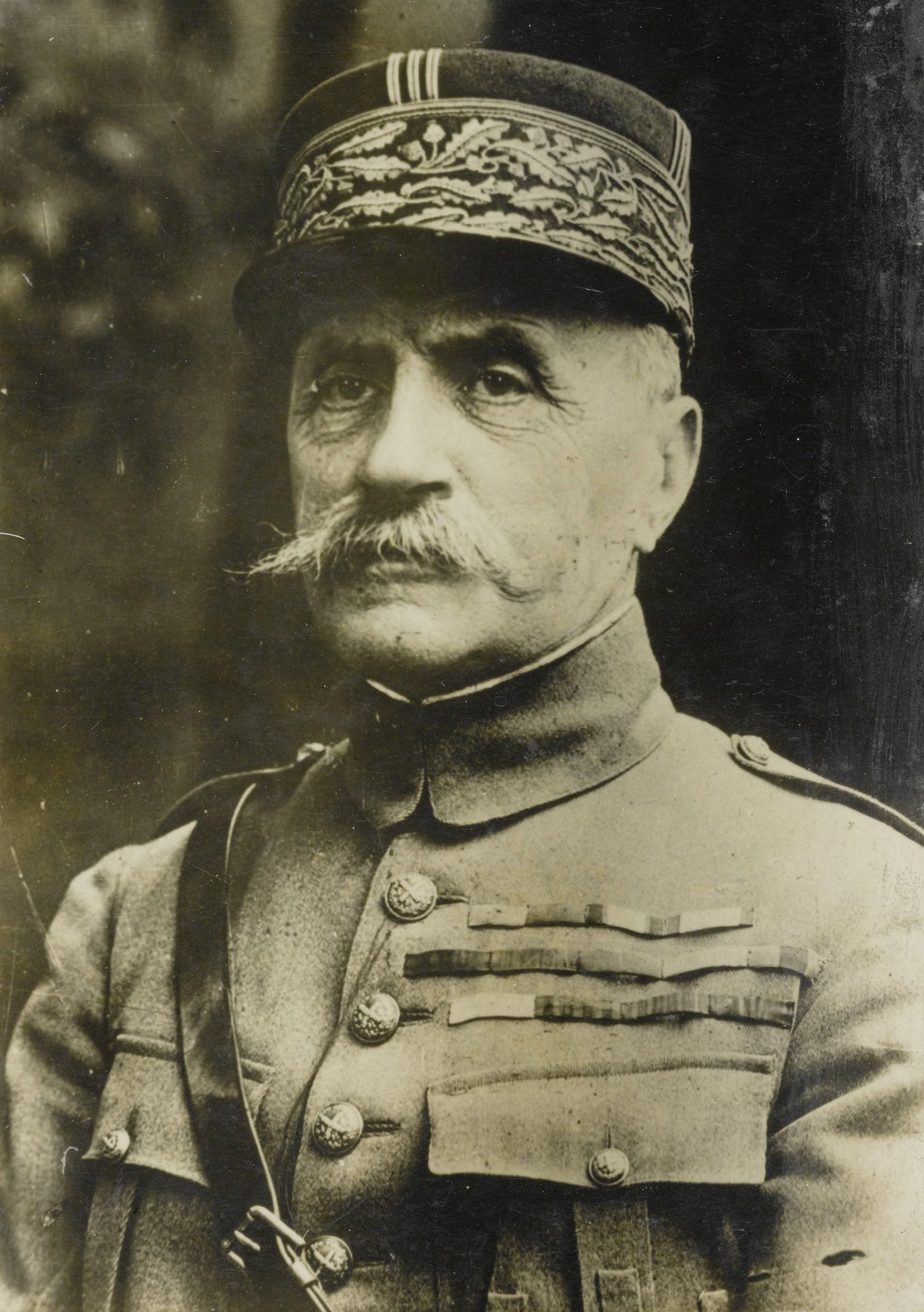
Allied leader Foch unifies forces, halts German offensive in WWI.
Germany
Political
Military
5 min read
Updated By: History Editorial Network (HEN)
Published:
Updated:
During World War I, Allied leaders faced a dire situation. The German army had launched a series of aggressive spring offensives, seeking to break through Allied lines and secure a decisive victory on the Western Front. The coordination of the Allied forces had been challenging, resulting in fragmented efforts against the well-organized German advances. In response to this critical threat, Allied nations recognized the need for a unified command structure.
General Ferdinand Foch, a senior French military officer with extensive experience, was appointed as the Supreme Allied Commander. This decision was based on his strong strategic acumen and previous successes. His primary responsibility was to ensure the coordination and cooperation of all Allied forces, including French, British, American, and Belgian troops, to effectively counter the German offensives.
Foch’s appointment marked a pivotal shift in the Allied military strategy. Under his leadership, the Allied forces adopted a more cohesive approach. One of Foch's significant contributions was the implementation of a centralized command that allowed for better communication and coordination among the different national forces. This leadership structure enhanced the Allies' ability to respond swiftly to German maneuvers and reinforce threatened sectors effectively.
The impact of Foch's command was immediate and notable. The unified strategies under his direction played a crucial role in halting the German offensives. Notably, the Second Battle of the Marne was a turning point, where Foch’s coordination efforts led to a decisive counterattack, pushing back German forces significantly.
Statistics from this period highlight the effectiveness of the unified command. The Allied forces managed to reduce their casualty rates and increase the efficiency of their operations. This alignment under Foch’s leadership eventually paved the way for subsequent offensives that would lead to the eventual end of the conflict.
General Ferdinand Foch's appointment as the Supreme Allied Commander thus stands as a critical event in the orchestration of the Allied forces' successful resistance against the German spring offensives, significantly contributing to the ultimate Allied victory in World War I.
#MoofLife #WWI #MilitaryLeadership #AlliedVictory #StrategicCommand
Explore the Life Moments of
 AI Twin