Managing Volatility and Priorities for Future
Switzerland
Management
Business
Future Planning
4 min read
Updated By: History Editorial Network (HEN)
Published:
Updated:
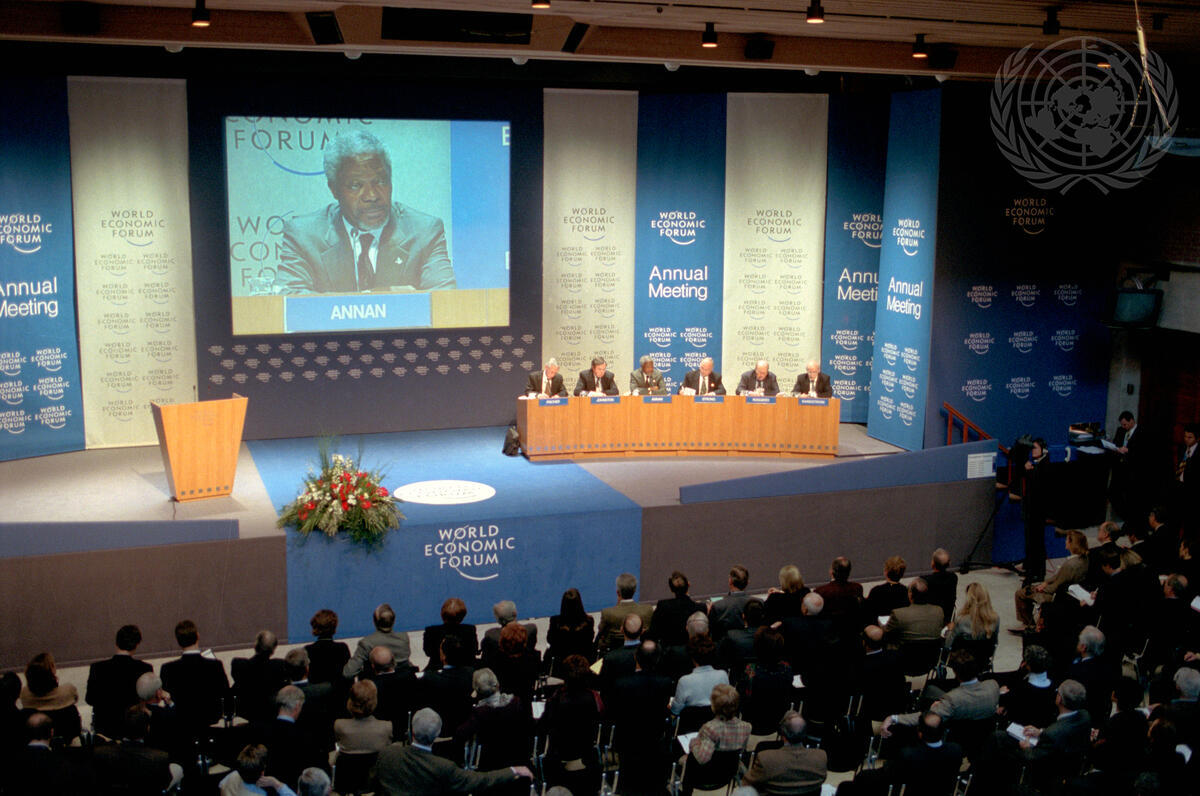
The theme of managing volatility and priorities for the future emerged as a critical focus during discussions on the global economy. This theme reflects the increasing complexity and unpredictability of economic conditions that businesses and governments face. The late 20th century was marked by significant shifts in global economic dynamics, including the rise of globalization, technological advancements, and changing political landscapes. These factors contributed to a heightened sense of volatility, prompting leaders to reassess their strategies and priorities. The emphasis on managing volatility indicates a recognition that traditional approaches to economic management may no longer suffice in a rapidly changing world. Leaders were encouraged to adopt more flexible and adaptive strategies to navigate uncertainties and capitalize on emerging opportunities.
The impact of this theme is evident in the way organizations began to prioritize resilience and agility in their operations. Companies started to invest in risk management frameworks and scenario planning to better prepare for potential disruptions. The focus on priorities also led to a reevaluation of resource allocation, with an emphasis on innovation and sustainability. Statistics show that organizations that embraced these principles were better positioned to withstand economic shocks and maintain competitive advantages. As the global economy continues to evolve, the lessons learned from managing volatility remain relevant, guiding leaders in their efforts to create robust strategies that address both current challenges and future uncertainties.
#mooflife
#MomentOfLife
#VolatilityManagement
#GlobalEconomy
#BusinessStrategy
#RiskManagement
#FuturePlanning

Explore the Life Moments of
 AI Twin