Mozart's Le nozze di Figaro: Innovative Opera Integrating Music and Narrative
Austria
Entertainment
Music
5 min read
Updated By: History Editorial Network (HEN)
Published:
Updated:
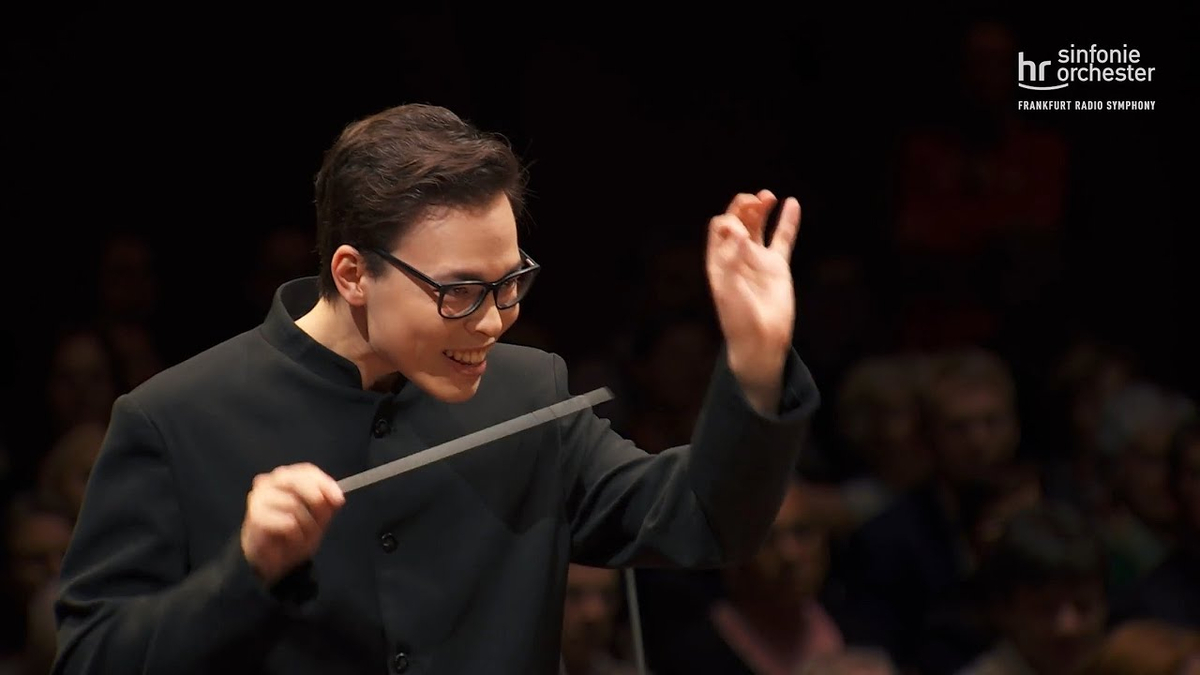
Wolfgang Amadeus Mozart’s opera Le nozze di Figaro (The Marriage of Figaro) premiered at the Burgtheater in Vienna. The libretto by Lorenzo Da Ponte was based on Pierre Beaumarchais’s stage comedy La folle journée, ou Le Mariage de Figaro. Mozart conducted the premiere from the keyboard, following weeks of rehearsals for a cast that included Francesco Benucci as Figaro and Nancy Storace as Susanna. The opera was presented in Italian and structured in four acts, combining arias, ensembles, and extended finales that connected dramatic action without long pauses between numbers.
The score is notable for its extensive use of ensemble writing, particularly in the act finales, where multiple characters sing simultaneously while the plot continues to unfold. Instead of separating musical numbers with static dramatic breaks, Mozart linked recitatives, duets, trios, and larger ensembles into continuous sequences. This approach allowed shifting alliances and misunderstandings among characters such as Figaro, Susanna, Count Almaviva, and the Countess to develop within the music itself. The second act finale, for example, expands progressively as additional characters enter, creating a layered dramatic structure.
The opera also presents a range of social perspectives, placing aristocratic and servant characters in shared scenes. Comic elements such as disguises and misunderstandings appear alongside more reflective arias, including the Countess’s solo numbers. Mozart’s musical characterization differentiates individuals through tempo, orchestration, and melodic style while maintaining continuity across the four acts. After the Vienna premiere, Le nozze di Figaro gained strong popularity in Prague later in 1786, where performances contributed to Mozart receiving the commission for Don Giovanni the following year.
Why This Moment Matters
The 01/05/1786 premiere demonstrated a dramatic structure built from continuous ensembles and character interaction, moving beyond isolated arias toward a more integrated operatic narrative.
#Mozart
#MarriageOfFigaro
#OperaHistory
#ClassicalMusic
Primary Reference
From Figaro to Don Giovanni
Explore the Life Moments of
 AI Twin