Mozart's Transformative Journey Through Italy: Musical Growth and Professional Reflection
Salzburg, Archbishopric of Salzburg, Austria
Music
3 min read
Updated By: History Editorial Network (HEN)
Published:
Updated:
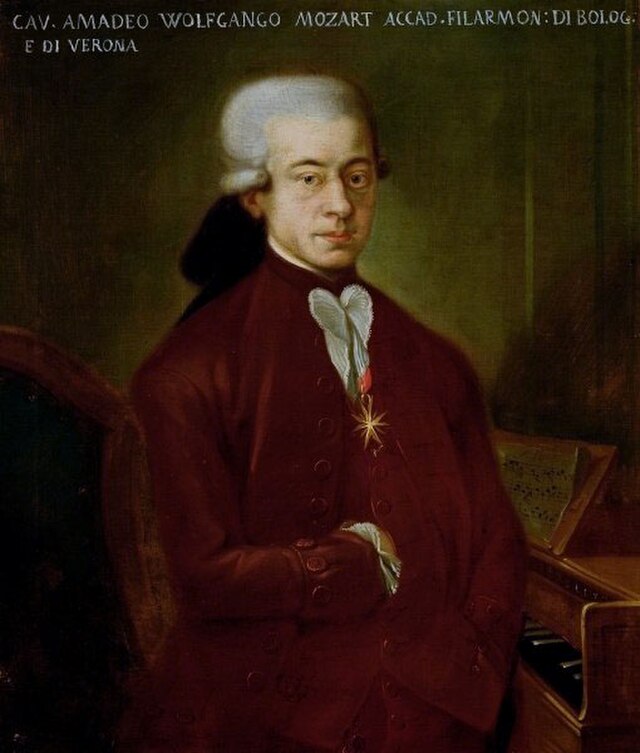
On 13/03/1773, Wolfgang Amadeus Mozart and his father, Leopold Mozart, returned to Salzburg, concluding their third and final journey to Italy. The series of Italian trips between 1769 and 1773 had included visits to cities such as Milan, Bologna, Florence, and Rome, where Mozart composed operas, performed, and sought court appointments. Although these travels brought commissions and recognition, they did not result in a permanent position at an Italian court. The return to Salzburg therefore marked the end of Mozart’s extended Italian period.
Upon returning, Mozart resumed his employment in Salzburg under Prince-Archbishop Hieronymus Colloredo, who had succeeded Sigismund von Schrattenbach in 1772. Mozart continued as Konzertmeister, a salaried court position involving composition, performance, and orchestral leadership. The responsibilities focused primarily on church and court music. Despite the stability of the post, Mozart and his father continued exploring opportunities beyond Salzburg, reflecting ongoing ambitions for broader recognition.
The return on 13 March 1773 therefore represents a transition from international travel back to court service. In the months following his return, Mozart composed symphonies and chamber works, including the string quartets K. 168–173 later that year. The conclusion of the Italian journeys marked the end of a major formative phase in Mozart’s early career.
#Mozart
#Salzburg1773
#ItalyJourneys
#MusicHistory
#WolfgangAmadeusMozart
#ClassicalMusic
Primary Reference
Robert Greenberg - This Saturday brings the second in the San ...
Explore the Life Moments of
 AI Twin