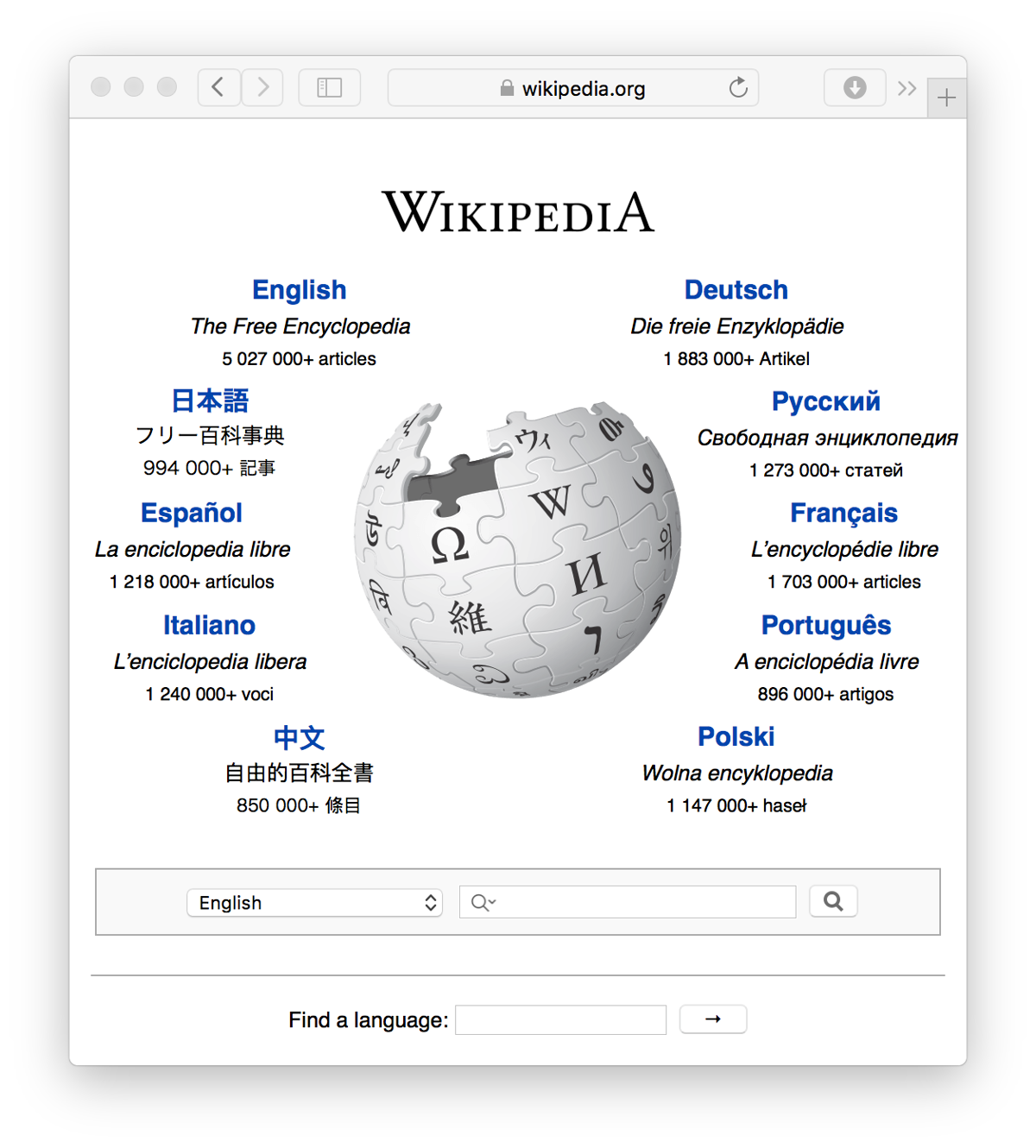
New Wiki Launch on Wikipedia Domain
Online global platform
Technology
Internet
Wikipedia
7 min read
Updated By: History Editorial Network (HEN)
Published:
Updated:
On 15/01/2001, the online encyclopedia Wikipedia officially went live as a free, internet based reference project operating initially in the English language. The site was launched by Jimmy Wales and Larry Sanger as a collaborative encyclopedia that anyone with internet access could edit through a web browser. What began as a small experimental project quickly evolved into one of the world’s largest knowledge sharing platforms, with millions of articles created by volunteers across hundreds of languages. The anniversary of the launch is now celebrated annually by contributors and communities worldwide as “Wikipedia Day.”
Wikipedia emerged during a period when internet collaboration tools were rapidly developing. The project originally functioned as a companion to Nupedia, a more traditional online encyclopedia founded by Wales and edited by Sanger. Nupedia relied on a formal peer review process involving subject experts, which made article production relatively slow. Wikipedia introduced a different approach using wiki software that allowed contributors to create and edit pages instantly. The name “Wikipedia” combined the word “wiki,” derived from the Hawaiian term for “quick,” with “encyclopedia.”
The first version of Wikipedia was hosted at wikipedia.com before later moving to wikipedia.org. During its opening months, the site grew rapidly as internet users experimented with collaborative editing. Volunteers added articles on science, history, geography, culture, politics, and current events. By the end of 2001, Wikipedia had already expanded into numerous language editions including German, French, Catalan, Swedish, and others, helping establish the project’s long term multilingual structure.
The launch of Wikipedia also reflected broader ideas connected to the free software and open knowledge movements of the late 1990s and early 2000s. Contributors published material under open licenses that allowed content to be freely copied, modified, and redistributed. This model encouraged rapid participation from volunteers worldwide and distinguished Wikipedia from traditional commercial encyclopedias that relied on centralized editorial control and subscription access.
Over the following decades, Wikipedia became one of the most visited websites globally. The platform developed extensive community governance systems, editorial policies, citation standards, and anti vandalism tools maintained largely by volunteers. The nonprofit Wikimedia Foundation, established in 2003, later assumed responsibility for supporting Wikipedia’s technical infrastructure and related projects. Wikipedia Day celebrations, organized online and in person by editors and local communities, continue to recognize the anniversary of the project’s public launch each January.
Historical Significance
Wikipedia’s launch demonstrated that large scale online collaboration could produce and maintain a free public knowledge resource on a global scale. Its open editing model influenced later collaborative platforms, digital communities, and discussions about information accessibility on the internet.
#mooflife
#MomentOfLife
#Wikipedia
#OnlineEncyclopedia
#Wikipedians
#FreeContent
#CollaborativeModel
Primary Reference

Explore the Life Moments of
 AI Twin