Victor Hugo elected to National Assembly
France
Historical Politics
19th Century Literature
Social Reform Movements
4 min read
Updated By: History Editorial Network (HEN)
Published:
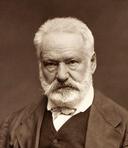
Victor Hugo's election to the National Assembly marked a pivotal moment in his political career and reflected the broader political changes occurring in France during the establishment of the Second Republic. Initially elected as a conservative member, Hugo's views evolved rapidly as he became increasingly aware of the social issues facing the nation. His speeches in the Assembly highlighted his commitment to addressing poverty and advocating for the rights of the underprivileged. In one of his notable addresses, he called for the end of misery, emphasizing the need for social reform and the importance of universal suffrage. This shift in his political stance illustrated his growing alignment with progressive ideals, which would later define much of his literary and political legacy.
Hugo's advocacy for free education for all children was another significant aspect of his tenure in the National Assembly. He recognized education as a fundamental right that could empower individuals and uplift society as a whole. His efforts in the Assembly contributed to the discourse on social justice and reform, influencing public opinion and policy. The impact of his work extended beyond the Assembly, as his literary contributions continued to resonate with themes of justice, compassion, and human rights. Hugo's political journey within the National Assembly not only showcased his evolution as a thinker but also underscored the critical role of literature and politics in shaping societal values and addressing the pressing issues of his time.
#mooflife
#MomentOfLife
#VictorHugo
#NationalAssembly
#SecondRepublic
#SocialReform
#UniversalSuffrage
Explore the Life Moments of
 AI Twin