Publication of Toilers of the Sea
France
Literature
Historical Fiction
French Literature
3 min read
Updated By: History Editorial Network (HEN)
Published:
Updated:
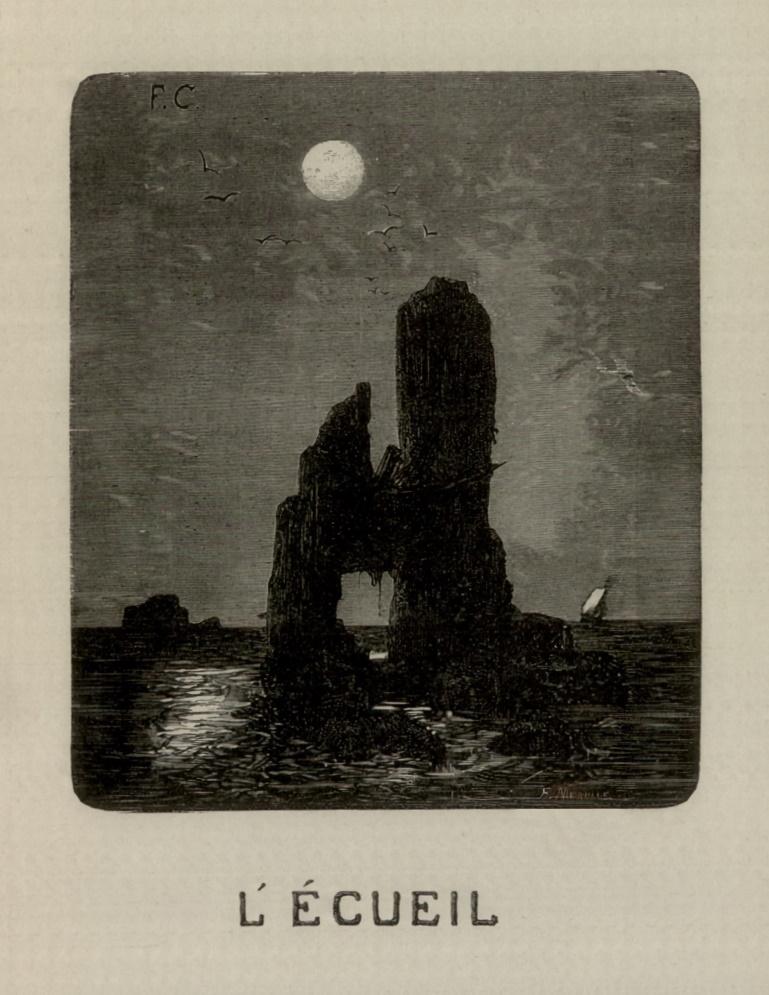
Victor Hugo published his novel "Les Travailleurs de la Mer" (Toilers of the Sea) during his time in exile on the Channel Island of Guernsey. This location played a significant role in the narrative, as the story is dedicated to the island itself. The plot centers around a man who seeks to gain the approval of his beloved's father by undertaking a perilous mission to rescue a ship that has been intentionally marooned by its captain. The captain's motives are driven by a desire to escape with a treasure that the ship is transporting. The protagonist's journey is marked by a struggle against the elements and the challenges posed by the sea, reflecting Hugo's deep connection to maritime themes and the natural world.
The publication of Toilers of the Sea was met with a positive reception, likely influenced by the earlier success of Hugo's renowned work, "Les Misérables." The novel explores themes of love, sacrifice, and the human condition, which resonate with readers. It also highlights the author's ability to weave personal and social issues into his narratives, making them relevant to a broad audience. The book's setting in Guernsey not only serves as a backdrop but also symbolizes Hugo's own experiences during his years of exile, adding layers of meaning to the story. The impact of this work can be seen in its enduring popularity and its contribution to the literary canon, showcasing Hugo's mastery in storytelling and character development.
#mooflife
#MomentOfLife
#VictorHugo
#ToilersOfTheSea
#LesTravailleursDeLaMer
#Guernsey
#LiteraryHistory
Primary Reference
Toilers of the Sea

Explore the Life Moments of
 AI Twin