Hugo's Exile After Napoleon III's Coup
France
Historical Events
Literature
Exile
3 min read
Updated By: History Editorial Network (HEN)
Published:
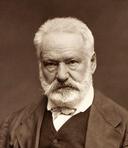
Following the coup d'état orchestrated by Napoleon III, Victor Hugo chose to leave France and enter a period of exile. This decision was rooted in his strong opposition to the authoritarian regime that emerged after the coup. Initially, Hugo resided in Brussels for a short time before relocating to the Channel Islands. His first stop was Jersey, where he lived for several years, and later he moved to Guernsey, a smaller island in the archipelago. During his time in exile, Hugo became increasingly vocal against the regime, using his writings to criticize the political situation in France. He published several works that reflected his disdain for tyranny and his commitment to republican ideals. His exile was not just a personal loss but also a significant period of literary productivity, as he wrote some of his most important works during this time, including 'Les Misérables'. This period of his life was marked by a deep engagement with the political issues of the day, and he became a symbol of resistance against oppression. His experiences in exile shaped his views on justice, freedom, and the role of the individual in society, which resonated with many of his contemporaries and future generations.
#mooflife
#MomentOfLife
#VictorHugo
#NapoleonIii
#FrenchHistory
#Exile
#Literature
Explore the Life Moments of
 AI Twin