Hugo's Return to Homeland During Third Republic
France
Literature
Politics
4 min read
Updated By: History Editorial Network (HEN)
Published:
Updated:
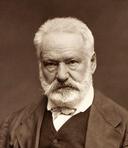
Hugo's return to France marked a pivotal moment in his life and the political landscape of the nation. After years of exile due to his opposition to the regime of Napoleon III, Hugo chose to remain away from France even after a general amnesty was proclaimed. His decision to return was influenced by the significant political changes occurring in France, particularly the establishment of the French Third Republic. This shift was precipitated by the defeat of French forces at the Battle of Sedan during the Franco-Prussian War, which led to the collapse of the Second Empire. The Third Republic represented a new political order, one that aligned more closely with Hugo's ideals of democracy and republicanism. Upon his return, Hugo was greeted with enthusiasm by the public, reflecting his status as a national figure and a symbol of resistance against authoritarian rule. His re-entry into French society was not just a personal homecoming but also a reaffirmation of his commitment to the values of liberty and justice that he had championed throughout his life.
The impact of Hugo's return extended beyond his personal narrative; it resonated with the broader societal changes occurring in France. The establishment of the Third Republic was characterized by a shift towards more democratic governance, and Hugo's presence was seen as a catalyst for this transformation. His literary and political contributions during this period helped to shape public discourse and inspire a generation of thinkers and activists. The Third Republic faced numerous challenges, including political instability and social unrest, but it also laid the groundwork for modern French democracy. Hugo's return symbolized hope and renewal for many, as he continued to advocate for social justice, human rights, and the importance of civic engagement. His legacy during this time remains a testament to the enduring power of literature and political activism in shaping national identity.
#mooflife
#MomentOfLife
#Hugo
#FrenchThirdRepublic
#NapoleonIii
#Franco-prussianWar
#PoliticalActivism
Primary Reference
Victor Hugo
Explore the Life Moments of
 AI Twin