Chief Roi Mata: Unifier, Peacemaker, World Heritage Site
Vanuatu
Political
Cultural
4 min read
Updated By: History Editorial Network (HEN)
Published:
Updated:
Chief Roi Mata, a paramount leader in central Vanuatu, played a crucial role in the unification of several tribes during the late 16th to early 17th century AD. He is renowned for his diplomatic skills and the establishment of peace among warring tribes. This period marked a significant shift in tribal alliances and societal structure within the region.
Through strategic marriages and alliances, Chief Roi Mata facilitated cooperation among disparate tribal groups, promoting social cohesion and stability. His leadership transcended traditional boundaries, fostering a sense of collective identity and shared governance. This unification brought about an era of peace and prosperity, which was previously unimaginable in the region marked by constant tribal conflicts.
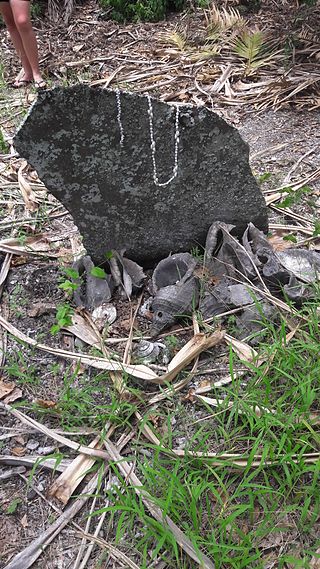
Chief Roi Mata's legacy extended beyond his lifetime, particularly through his burial site. After his death, he was interred on Efate Island, in an elaborate ceremony that mirrored the significant role he played in life. The burial site includes a grave with several human sacrifices, reflecting the practices and beliefs of the time. This site, known as Roi Mata's Domain, is of considerable archaeological and anthropological significance, offering insights into the customs and social structuring of ancient Vanuatu.
In recognition of its historical and cultural value, Roi Mata's Domain, encompassing three sites associated with the chief's life and legacy, was inscribed on the UNESCO World Heritage List. This designation underscores the importance of Chief Roi Mata's contributions to the cultural heritage of Vanuatu and provides a protected status to preserve this important legacy for future generations.
#ChiefRoiMata #VanuatuHistory #TribalUnity #UNESCOWorldHeritage #CulturalHeritage #MoofLife

Explore the Life Moments of
 AI Twin