Martin B-12 Bomber: U.S. Army Air Corps Twin-Engine Aircraft of the 1930s
United States
Economy
Technology
6 min read
Updated By: History Editorial Network (HEN)
Published:
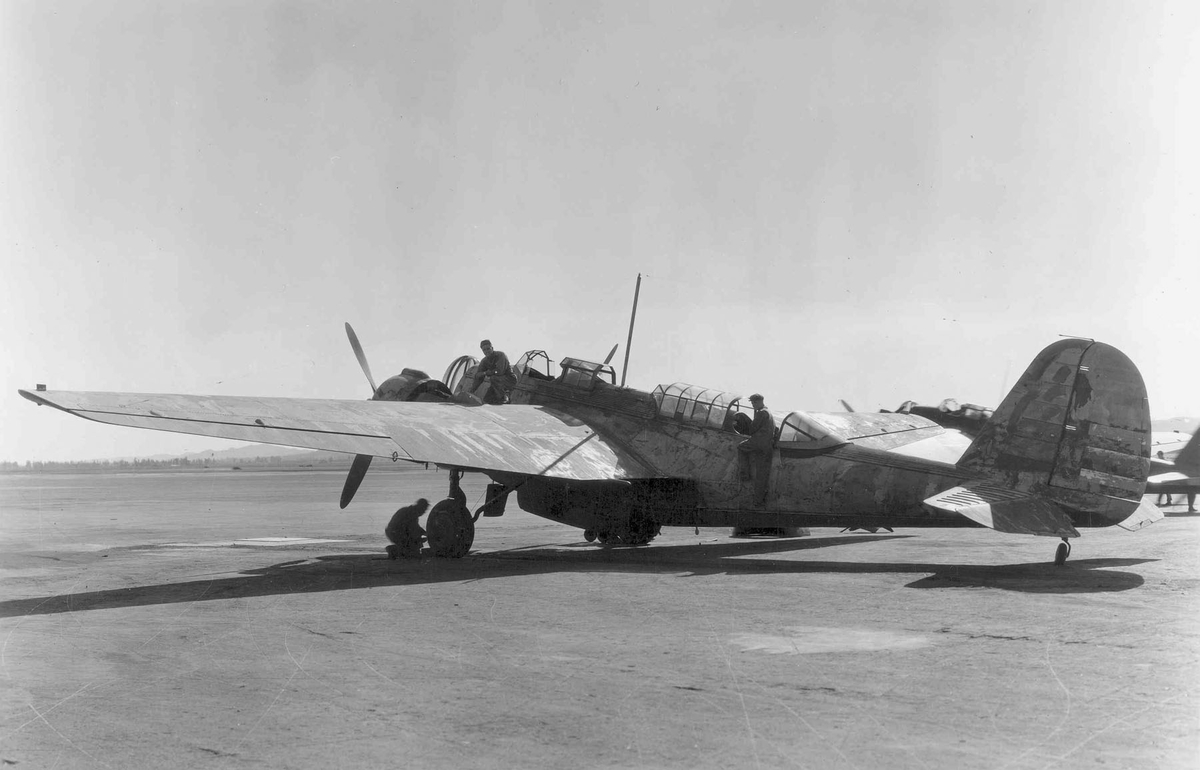
The Martin B-12 was a twin-engine bomber aircraft introduced in the early 1930s for the United States Army Air Corps, becoming the first mass-produced all-metal monoplane bomber used by the service. The aircraft was developed by the Glenn L. Martin Company and first flew on 16/02/1932 as the Martin XB-907, a prototype derived from the earlier Martin Model 123 design. After successful testing, the U.S. Army Air Corps ordered the aircraft into production as the B-10, with the B-12 variant designed specifically for bombing operations.
The B-12 entered service in 1934 and represented a significant technological improvement over earlier biplane bombers such as the Keystone series. It featured an all-metal monoplane structure, retractable landing gear, enclosed cockpits for the crew, and internal bomb bays. These design elements improved aerodynamic efficiency and crew protection compared with open-cockpit aircraft common in the late 1920s. The aircraft was powered by two Pratt & Whitney R-1690 Hornet radial engines, enabling a top speed of about 213 mph (343 km/h), which at the time exceeded the speed of many contemporary fighter aircraft.
The B-12 typically carried a crew of four and could transport approximately 2,260 pounds (1,025 kg) of bombs. Defensive armament included .30-caliber machine guns positioned in nose, dorsal, and ventral gun stations. Early versions used open gun positions, while later configurations added partial enclosures. Operational units of the U.S. Army Air Corps used the aircraft for bombing training, long-distance flights, and operational readiness exercises during the mid-1930s.
Although technologically advanced when introduced, the B-12 and its related B-10 series had a relatively short frontline service life due to rapid developments in aircraft design during the late 1930s. By the start of World War II in 1939, more modern bombers had replaced it in primary U.S. service. However, export versions of the aircraft were used by several countries, including the Netherlands East Indies, China, Thailand, and Turkey. Some of these aircraft were still operational in the early stages of World War II.
The Martin B-12 is often cited in aviation history as an example of the transition from slow biplane bombers to faster, streamlined monoplane designs in the interwar period. Its design features, including retractable landing gear and enclosed crew stations, later became standard in bomber aircraft developed in the late 1930s and early 1940s.
#MartinB12 #AviationHistory #USBomber #MilitaryAircraft #1930sAviation
#MartinB12
#AviationHistory
#USBomber
#MilitaryAircraft
Primary Reference
Martin B-10

Explore the Life Moments of
 AI Twin