Serdar Berdimuhamedow Takes Over Presidency
Turkmenistan
Political
Global Trade
6 min read
Updated By: History Editorial Network (HEN)
Published:
Updated:
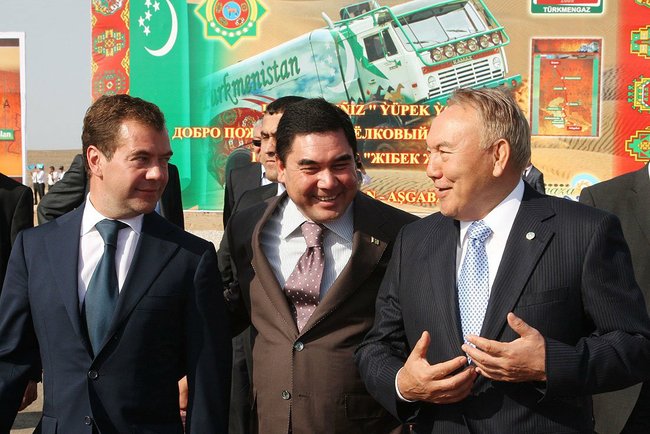
In a deliberate transition of power in Turkmenistan, Serdar Berdimuhamedow succeeded his father, Gurbanguly Berdimuhamedow, as the president. This event marked a significant shift in the leadership of the Central Asian country, sparking international interest in its implications for domestic and foreign policy.
Gurbanguly Berdimuhamedow had led Turkmenistan for over a decade, during which time he consolidated power and established a distinct political identity. His tenure was characterized by a strong emphasis on national sovereignty and energy exports, given Turkmenistan's substantial natural gas reserves, which are among the largest in the world.
The succession of Serdar, who had been groomed for leadership roles within the government, indicated a strategic move to ensure continuity and stability within the nation's political framework. Prior to his ascension, Serdar held various key positions, including Deputy Chairman of the Cabinet of Ministers, which gave him experience in both domestic administrative affairs and international diplomatic engagements.
The transition was closely followed by the international community, analysts, and regional stakeholders. Observers speculated on whether Serdar would maintain his father's policies or introduce reforms to address economic challenges, human rights concerns, and technological modernization needs.
Domestically, the populace had mixed reactions, with some hopeful for progressive changes under younger leadership while others were skeptical about any significant departure from the established autocratic governance. Human rights organizations often highlight the need for improved civil liberties and freedom of expression in Turkmenistan, and Serdar's succession reignited discussions around these issues.
Statistically, Turkmenistan's economy heavily relies on its natural gas exports, primarily to China, and any shifts in governance impact its economic alliances and trade agreements. The leadership transition carried potential implications for these economic dynamics, particularly in the context of regional energy politics.
The event reaffirmed the dynastic nature of political succession in some Central Asian nations, echoing similar patterns seen in neighboring countries. It also underscored the unique political culture of Turkmenistan, marked by a blend of traditional leadership transition practices and modern statecraft.
#Turkmenistan #LeadershipTransition #PoliticalSuccession #EnergyPolitics #CentralAsia #MoofLife
Primary Reference
Gurbanguly Berdimuhamedow - Wikipedia
Explore the Life Moments of
 AI Twin