End of Arab Rule in Central Asia
Turkmenistan
Political
5 min read
Updated By: History Editorial Network (HEN)
Published:
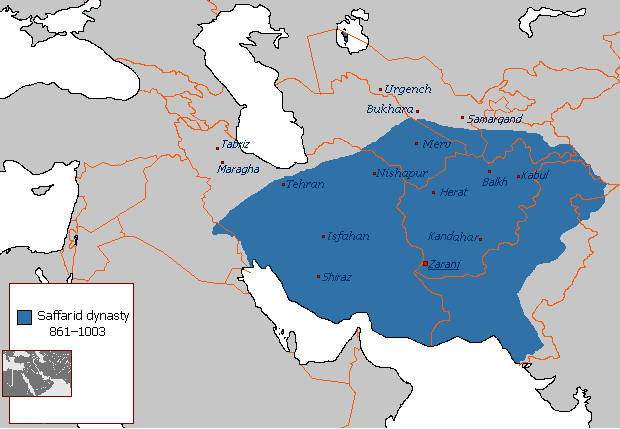
The end of Arab rule in Central Asia came with the rise of the Saffarid dynasty. Originating from the rugged terrain of Sistan, the Saffarids had gradually gained power under the leadership of Ya'qub ibn Layth. This group of Persian-speaking warriors was known for their tenacity and military prowess. Ya'qub ibn Layth, a blacksmith-turned-warlord, led a series of campaigns to bring vast regions under his control.
The decline of Abbasid influence in Central Asia had set the stage for the Saffarids' rise. The Abbasid Caliphate, centered in Baghdad, was grappling with internal dissent, administrative challenges, and external threats. This weakening grip enabled regional powers to assert their dominance. Ya'qub ibn Layth saw an opportunity and exploited the fragility of Arab control in the region.
The Saffarids focused on the strategic regions that were pivotal to the Arabs. Their forces moved swiftly through key areas, encompassing parts of what is now modern-day Turkmenistan. They captured significant cities and fortified their control over trade routes, which were essential for the economic stability of Central Asia. This shift not only marked the end of Arab dominance but also established the Saffarid dynasty as a formidable power in the region.
The transition had a profound impact on the socio-political landscape. The Saffarids implemented their governance structures and systems, influencing the administrative frameworks in Central Asia. This change shifted the cultural dynamics, gradually aligning them with Persian traditions, as opposed to the previously dominant Arab customs.
In terms of military strategy, the Saffarids were innovative. They employed a combination of conventional warfare and guerrilla tactics suited to the diverse terrains. Their success demonstrated the efficiency of their military strategies, setting a precedent for future regional conflicts.
Economically, the end of Arab rule and the rise of the Saffarids led to a redirection of trade flows. The new rulers promoted local trade networks and infrastructure improvements. These developments facilitated commerce and helped in the prosperity of Central Asian markets.
This moment in history showcased the ebb and flow of empires and the enduring impact of effective leadership and strategic military acumen.
#SaffaridConquest #PersianDynasty #CentralAsiaHistory #TurkmenistanTransformation #RegionalShift #MoofLife

Explore the Life Moments of
 AI Twin