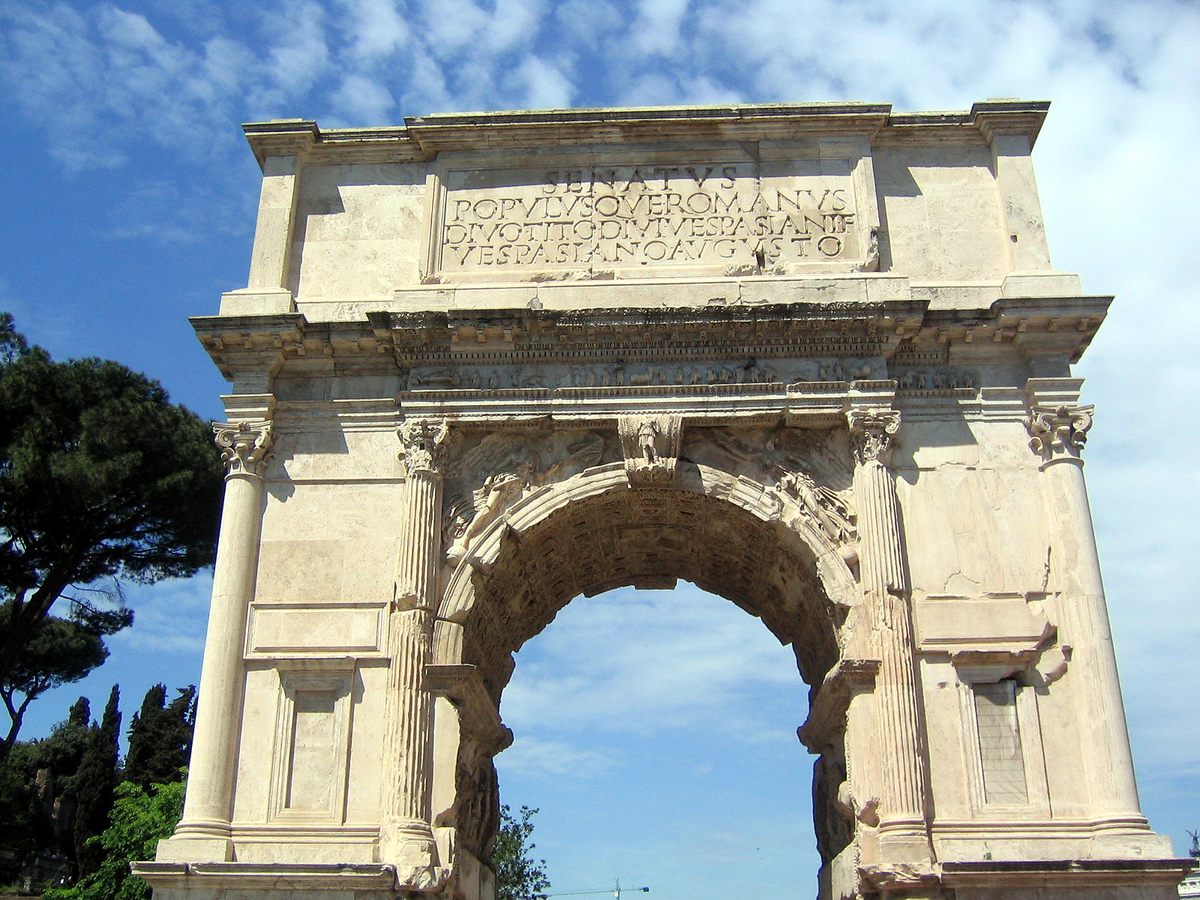
Roman Emperor Trajan's triumphal arch in Carthage honors victory over the Dacians in war.
Tunisia
Architecture
3 min read
Updated By: History Editorial Network (HEN)
Published:
After defeating the Dacians, Roman emperor Trajan chose Carthage as the site to commemorate his triumph with a grand arch. This architectural feat served as a symbol of Roman power and victory, asserting their dominance in the region. The arch, adorned with intricate carvings and inscriptions, stood as a testament to Trajan's military prowess and the might of the Roman Empire.
The construction of the triumphal arch in Carthage left a lasting impact on the city, solidifying its status as a key Roman stronghold in North Africa. It served as a visual reminder of Rome's authority and served as a focal point for celebrating military triumphs.
The arch also highlighted the cultural and architectural influence of the Roman Empire in Carthage, showcasing their advanced engineering techniques and artistic achievements. It became a prominent landmark in the city, attracting visitors and locals alike, and further establishing Carthage as an important center of Roman civilization in the region.
Overall, Trajan's erection of the triumphal arch in Carthage was a defining moment that celebrated Roman military conquests, reinforced their dominance in the region, and left a lasting architectural legacy that shaped the city's identity for centuries to come.
#RomanEmpire #MilitaryVictory #ArchitecturalLegacy #Carthage #Trajan #DacianWars
Primary Reference
Introduction to ancient Rome | British Museum

Explore the Life Moments of
 AI Twin