Toyota Leadership Transition and Impact 1967
Japan
Business
Automotive
Leadership
4 min read
Updated By: History Editorial Network (HEN)
Published:
Updated:
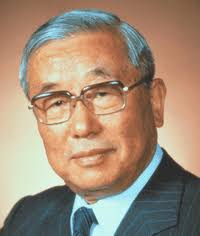
The leadership transition at Toyota has been pivotal in shaping the company's trajectory and global presence. Eiji Toyoda, who became President of Toyota Motor Co., played a crucial role in the company's expansion during his tenure from 1967 to 1982. Under his leadership, Toyota adopted innovative manufacturing techniques, notably the Toyota Production System, which emphasized efficiency and quality. This approach not only improved production processes but also set new standards in the automotive industry, influencing manufacturers worldwide. Eiji Toyoda's vision for global expansion led to the establishment of production facilities outside Japan, significantly increasing Toyota's market share and establishing it as a key player in the global automotive market. His leadership style fostered a culture of continuous improvement and adaptability, which became integral to Toyota's corporate philosophy.
Following Eiji Toyoda, Shoichiro Toyoda took over as President of Toyota Motor Sales Co. and later became the chairman. His leadership continued the legacy of innovation and expansion, focusing on enhancing customer satisfaction and product quality. Under his guidance, Toyota further solidified its position in international markets, responding to changing consumer demands and environmental concerns. The leadership transitions at Toyota have not only influenced the company's operational strategies but have also had a lasting impact on the automotive industry as a whole. The emphasis on quality, efficiency, and customer-centric approaches has set benchmarks that many companies strive to achieve, demonstrating the profound influence of Toyota's leadership on global automotive practices.
#mooflife
#MomentOfLife
#ToyotaLeadership
#EijiToyoda
#AutomotiveIndustry
#GlobalExpansion
#ToyotaProductionSystem

Explore the Life Moments of
 AI Twin