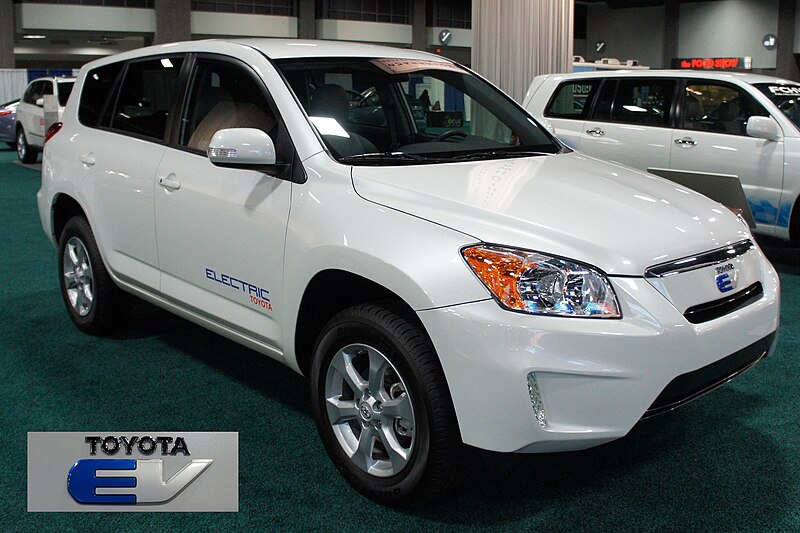
Second Generation RAV4 EV Developed
Japan
Automotive
Electric Vehicles
Technology Partnerships
3 min read
Updated By: History Editorial Network (HEN)
Published:
Updated:
The development of the second generation RAV4 EV marked a significant collaboration between Toyota and Tesla, initiated in 2010. This partnership aimed to leverage Tesla's expertise in electric vehicle technology, particularly in battery packs, electronics, and powertrain components. The production version of the RAV4 EV was unveiled in 2012, showcasing advancements in electric vehicle design and performance. Despite the innovative features, the RAV4 EV had a limited production run, with just under 3,000 units manufactured before its discontinuation in 2014. The collaboration faced challenges, including reported conflicts between the engineering teams of both companies, which impacted the overall synergy of the project. The RAV4 EV was part of a broader trend towards electric vehicles, reflecting growing consumer interest and regulatory pressures for cleaner transportation options. The initial RAV4 EV, produced from 1997 to 2003, had already established a foundation for electric vehicles in the market, with 1,484 units leased or sold in California. However, the discontinuation of the first generation was influenced by the state dropping its mandate for zero-emission vehicles due to legal pressures from automakers. The second generation aimed to revitalize the electric vehicle segment but ultimately faced limitations in production and market reach, highlighting the complexities of integrating new technologies within established automotive frameworks.
#mooflife
#MomentOfLife
#Rav4Ev
#Toyota
#Tesla
#ElectricVehicles
#AutomotiveInnovation

Explore the Life Moments of
 AI Twin