Chinese Labor Strike at Tianjin Toyoda Gosei
Japan
Labor Relations
Manufacturing Industry
Chinese Economy
4 min read
Updated By: History Editorial Network (HEN)
Published:
Updated:
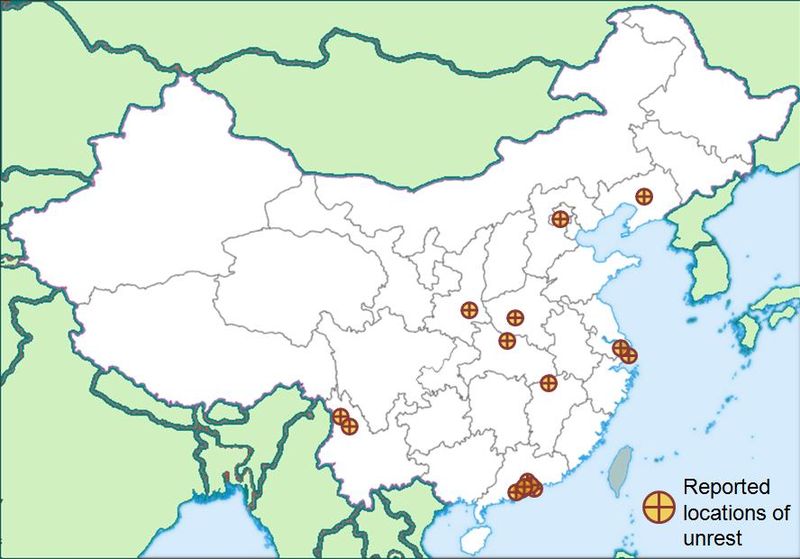
The labor strike at Tianjin Toyoda Gosei involved workers advocating for improved wages and working conditions. This event was part of a broader trend of labor unrest in China, where workers increasingly sought to address grievances related to pay and treatment in the workplace. The strike highlighted the growing discontent among Chinese workers, particularly in manufacturing sectors, where labor conditions often fell short of expectations. The demands made by the workers at Tianjin Toyoda Gosei were not isolated; they reflected a larger movement across various industries in China, where employees were becoming more vocal about their rights and needs. The strike at this facility was significant in drawing attention to the labor issues faced by workers in the region and contributed to ongoing discussions about labor rights in China.
The impact of the Tianjin Toyoda Gosei strike extended beyond the immediate demands of the workers. It served as a catalyst for other labor movements within the country, encouraging workers in different sectors to organize and voice their concerns. The strike also prompted companies to reconsider their labor practices and policies, as the potential for disruption became evident. Statistics indicate that labor strikes and protests have been on the rise in China, with thousands of incidents reported annually. This trend underscores the increasing assertiveness of the workforce in demanding fair treatment and better compensation, which has implications for the overall labor market and economic landscape in China.
#mooflife
#MomentOfLife
#ChineseLaborStrike
#TianjinToyodaGosei
#LaborRights
#WorkerDemands
#ManufacturingSector

Explore the Life Moments of
 AI Twin