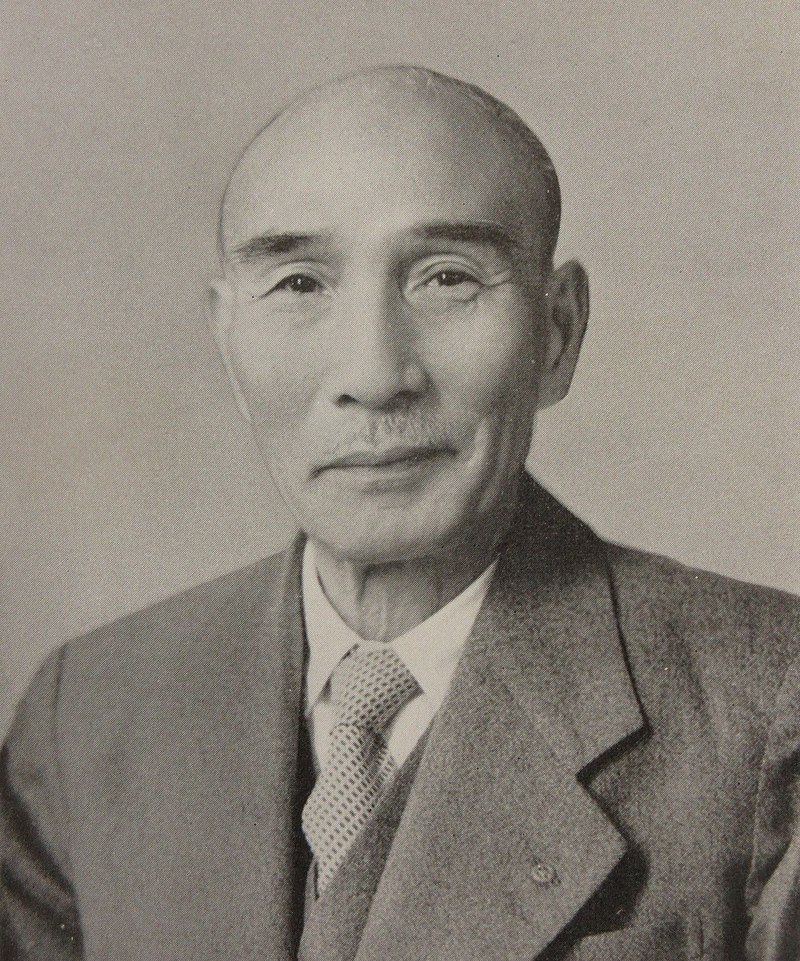
Taizo Ishida Became President of Toyota Motor Co
Japan
Business
Automotive
Leadership
4 min read
Updated By: History Editorial Network (HEN)
Published:
Updated:
The leadership structure of Toyota has undergone several changes since its inception, with notable figures at the helm guiding the company through various phases of growth and transformation. Taizo Ishida became President of Toyota Motor Co. in 1950, a pivotal time for the company as it was recovering from the impacts of World War II. Under Ishida's leadership, Toyota focused on rebuilding its operations and expanding its market presence, which laid the groundwork for future successes. His tenure lasted until 1961, during which he implemented strategies that emphasized quality and efficiency, setting a precedent for the company's manufacturing philosophy. This period marked the beginning of Toyota's evolution into a global automotive leader, as it began to innovate and adapt to changing market demands.
The leadership changes at Toyota have often reflected broader trends in the automotive industry and shifts in consumer preferences. Following Ishida, the company saw a succession of presidents who each contributed to its strategic direction. The leadership transition is crucial for maintaining the company's competitive edge and responding to challenges such as technological advancements and environmental concerns. The impact of these leadership changes is evident in Toyota's ability to remain resilient and adapt to market fluctuations, as well as its commitment to sustainability and innovation. The company's focus on continuous improvement and customer satisfaction has been a hallmark of its leadership philosophy, ensuring that it remains a key player in the global automotive market.
#mooflife
#MomentOfLife
#Toyota
#LeadershipChange
#AutomotiveIndustry
#CorporateStrategy
#MarketGrowth

Explore the Life Moments of
 AI Twin