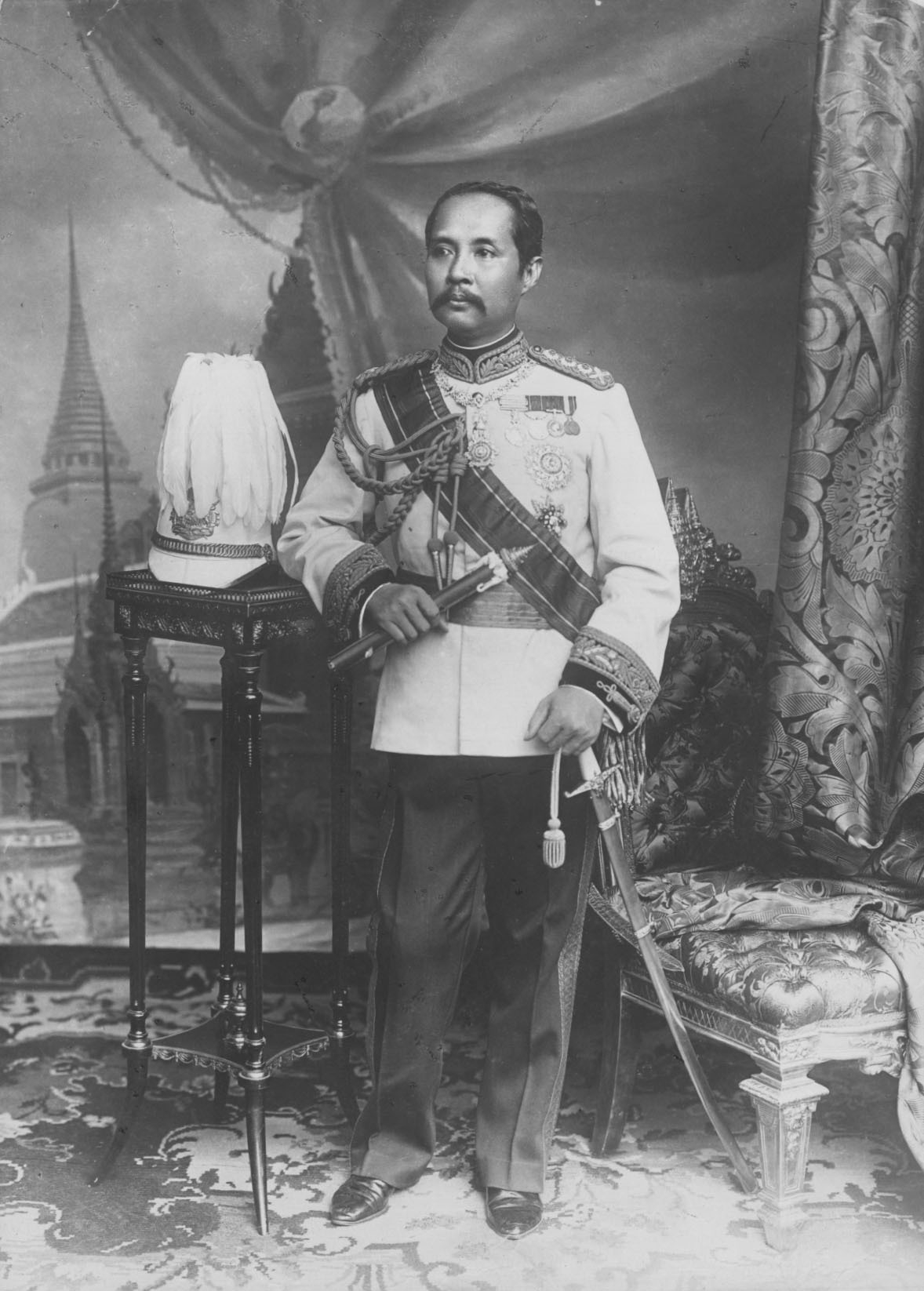
King Chulalongkorn's ascended the throne
Thailand
Political
4 min read
Updated By: History Editorial Network (HEN)
Published:
In 1868, King Chulalongkorn (Rama V) ascended to the throne in Thailand, marking a pivotal moment in the country's history. At the time of his coronation, Thailand was facing numerous challenges, including threats of colonization by Western powers. King Chulalongkorn recognized the need for modernization and initiated a series of reforms to strengthen and modernize the country.
Under King Chulalongkorn's rule, Thailand underwent significant changes in various aspects of society. He implemented administrative reforms, introducing a centralized government system and appointing qualified officials to improve governance. The king also abolished slavery, a critical step towards promoting equality and human rights. Additionally, he modernized the military, education system, and infrastructure, laying the foundation for Thailand's development into a more advanced nation.
King Chulalongkorn's reforms had a profound impact on Thai society, economy, and politics. The modernization efforts brought about increased efficiency in government operations, leading to economic growth and improved living standards for the population. The abolition of slavery helped to foster a more inclusive society and set the stage for social progress. Furthermore, the king's diplomatic skills enabled Thailand to maintain its independence amidst the pressures of colonialism.
Overall, King Chulalongkorn's ascension to the throne and the subsequent modernization reforms transformed Thailand into a more dynamic and resilient nation. His visionary leadership and commitment to progress left a lasting legacy that continues to shape Thailand's development to this day.
#Thailand #Modernization #Reforms #KingChulalongkorn #RamaV #History #Transformation

Explore the Life Moments of
 AI Twin