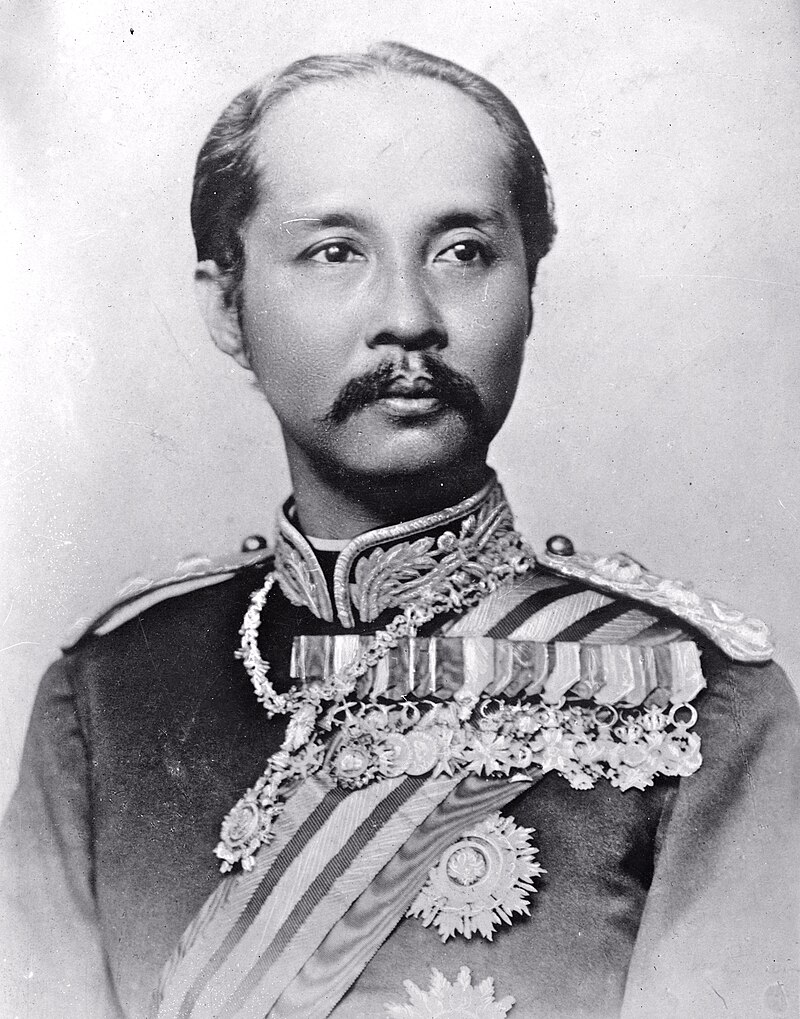
Abolition of slavery by King Chulalongkorn
Thailand

Social Reform
Empowerment
4 min read
Updated By: History Editorial Network (HEN)
Published:
In historical annals, the abolition of slavery in Siam by King Chulalongkorn is a pivotal juncture that reshaped the social fabric of the nation. Embedded in a period where slavery was an entrenched practice, the king's proclamation heralded a new era of societal advancement. Recognizing the inherent dignity of all individuals, the royal decree uprooted the institution of slavery, releasing thousands from subjugation.
Siam, known for its agrarian economy, had long relied on coerced labor to sustain its industries. However, King Chulalongkorn's edict sought to rectify this systemic injustice. By dismantling the chains of bondage, he not only liberated countless souls but also engendered a more egalitarian ethos within the kingdom. The abolition reverberated across the land, sparking a wave of optimism among the formerly enslaved populace.
Moreover, the ramifications of this transformative measure extended beyond the realms of personal freedom. The economic landscape underwent a renaissance as labor dynamics shifted, paving the way for a more equitable distribution of resources. With newfound liberties, individuals harnessed their agency to contribute meaningfully to the nation's progress. This watershed moment reshaped societal norms, fostering a climate of inclusivity and empowerment for all strata of society.
The legacy of King Chulalongkorn's abolition of slavery endures as a testament to the enduring power of compassion and justice. It stands as a beacon of hope for future generations, underscoring the imperative of safeguarding human rights. Embracing the noble ideals of equality and freedom, Siam charted a course towards a more enlightened future, guided by the principles of dignity and fairness.
#Siam #KingChulalongkorn #AbolitionOfSlavery #SocialReform #Empowerment

Explore the Life Moments of
 AI Twin