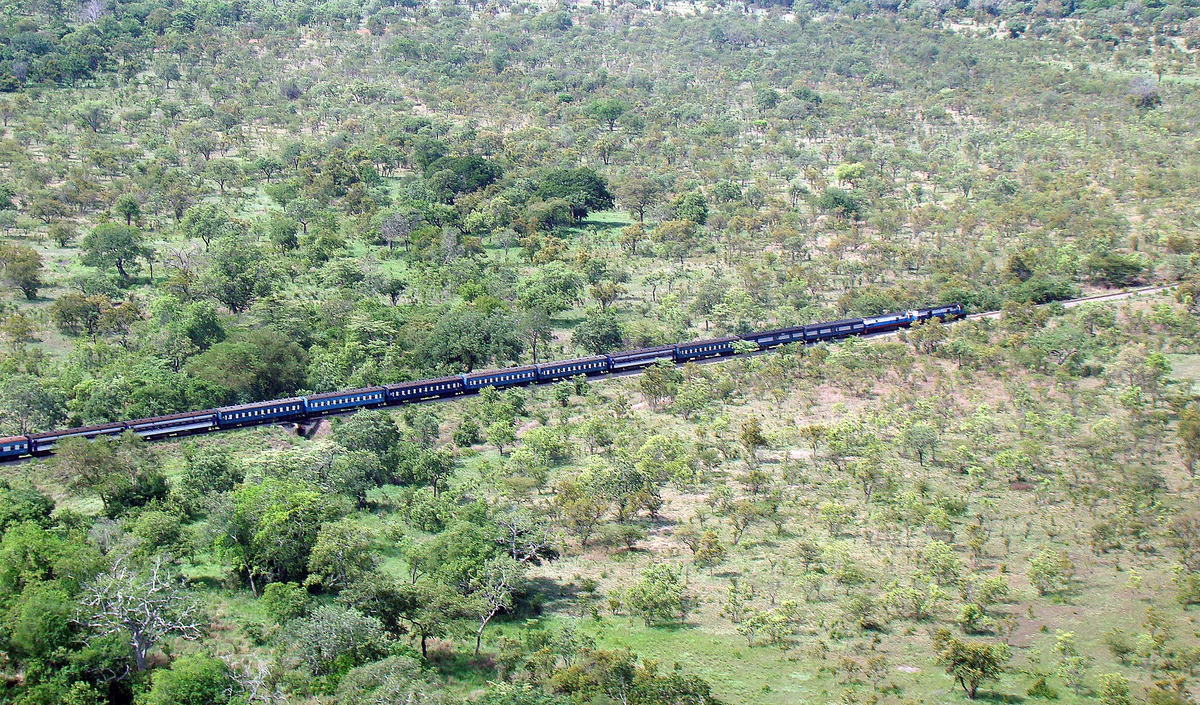
Transcontinental Railway now open for travel between Tanzania and Zambia
Tanzania
Infrastructure
Regional Development
5 min read
Updated By: History Editorial Network (HEN)
Published:
The completion of the Tanzania-Zambia Railway (TAZARA) marked a pivotal development in the infrastructure landscape of East and Southern Africa. Spanning 1,860 kilometers from the port of Dar es Salaam in Tanzania to the town of Kapiri Mposhi in Zambia, the railway was the result of cooperation between the governments of Tanzania, Zambia, and China. The main impetus for the project was to provide a reliable transportation outlet for Zambia, which was landlocked and heavily dependent on its southern routes, primarily through Rhodesia (now Zimbabwe) and South Africa—both of which were politically unstable due to their apartheid policies.
The construction phase began with considerable support from China, both financial and technical. China granted an interest-free loan amounting to approximately $500 million, and over 50,000 Chinese workers were involved in the project. This support was crucial given the vast and challenging geographical terrain, including mountainous areas and expansive savannas.
Upon its completion, TAZARA had a significant impact on Tanzania and Zambia's socioeconomic landscape. It facilitated the export of Zambian copper and other minerals via the port of Dar es Salaam, reducing Zambia's dependency on Southern African routes. In Tanzania, the railway connected remote inland regions with the coast, fostering domestic trade and local industries.
The rail line includes about 320 bridges and passes through regions that were previously difficult to access due to inadequate road infrastructure. By linking key economic areas, it spurred regional development and played a role in reducing transportation costs. TAZARA also promoted cross-border trade and labor mobility, creating new opportunities for businesses and individuals alike.
One of the remarkable aspects of TAZARA is its long-term operational sustainability, despite financial and operational challenges over the years. The railway continues to be a symbol of international solidarity and cooperation, particularly showcasing China's role in aiding African infrastructure development.
In summary, the completion of TAZARA was more than just an infrastructural achievement; it represented a critical step in boosting economic self-reliance and regional integration for Tanzania and Zambia.
#Infrastructure #RegionalDevelopment #Zambia #Tanzania #ChinaAfricaCooperation #TAZARA #Railway #EconomicGrowth #MoofLife

Explore the Life Moments of
 AI Twin