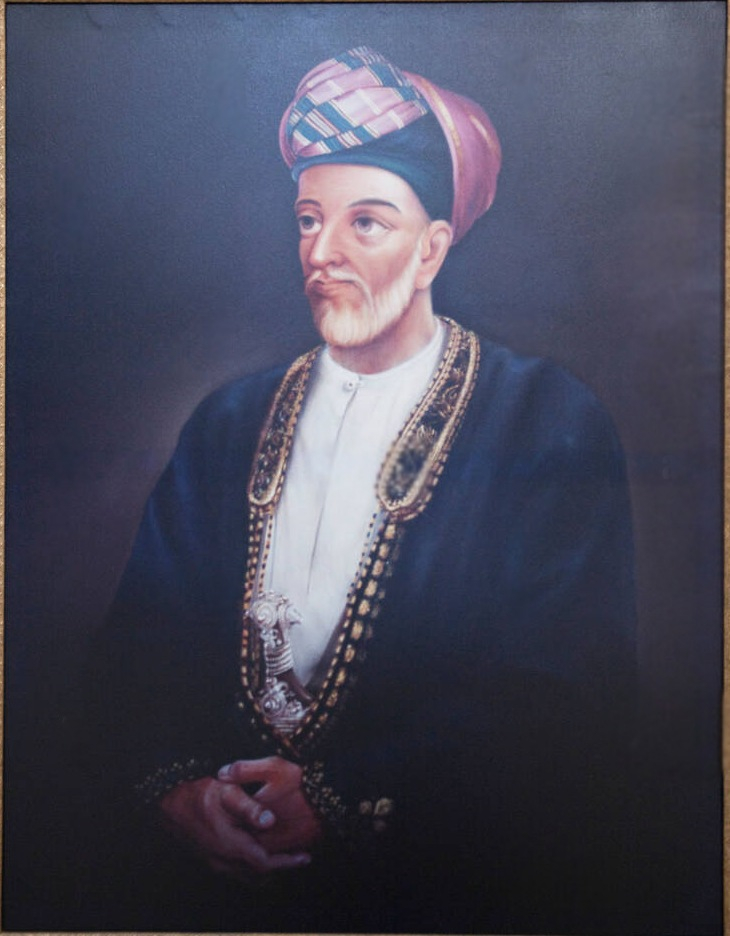
Seyyid Said transfers capital to Zanzibar
Tanzania
Economic Transformation
5 min read
Updated By: History Editorial Network (HEN)
Published:
In the early 19th century, the Omani Sultanate reached the height of its maritime power with significant trading influence extending from the Persian Gulf to the East African coast. Seyyid Said bin Sultan Al Busaid, the Sultan of Muscat and Oman, recognized the growing economic opportunities in the African territories under his control, especially Zanzibar. Zanzibar had become a focal point in the Indian Ocean trade network, dealing primarily in spices, slaves, and ivory.
Seyyid Said's strategic decision to move his capital from Muscat to Zanzibar reshaped the socio-economic structure of the region. The relocation marked the beginning of Zanzibar's transformation into a major economic hub. Boosting the clove and spice cultivation on the islands, the Sultan attracted traders and settlers from diverse geographies, including Arabs, Indians, and Europeans. This influx established Zanzibar as a cosmopolitan trade center with extensive economic interactions.
The shift also enhanced the sultan's control over the East African coastal trade, which was crucial for the Omani Sultanate. By basing himself in Zanzibar, Seyyid Said could more effectively govern his territories, maintain trade routes, and manage resources. This decision led to a significant rise in the island's population and wealth, making it one of the most prosperous areas under his rule.
Zanzibar’s fortunes grew as it became the largest slave market in East Africa, drawing merchants from around the globe. The island's prosperity also facilitated urban development, with infrastructure improvements such as road construction and the building of grand palaces like Beit al-Ajaib (House of Wonders), which symbolized the Sultanate's wealth and advanced architecture.
The relocation of the capital marked the decline of Muscat's primacy, eventually reducing the Omani influence in the Persian Gulf region. Oman's focus shifted toward consolidating its economic and political control in East Africa, leading to a prolonged period of prosperity for Zanzibar.
By moving his capital to Zanzibar, Seyyid Said decisively altered the economic and political landscape of East Africa, fostering growth and establishing Zanzibar as a central trade node. This strategic move was instrumental in shaping the historical trajectory of both the island and the region at large.
#OmaniSultanate #TradeNetwork #EastAfrica #ZanzibarHistory #EconomicTransformation #HistoricalShift #MaritimePower #MoofLife

Explore the Life Moments of
 AI Twin