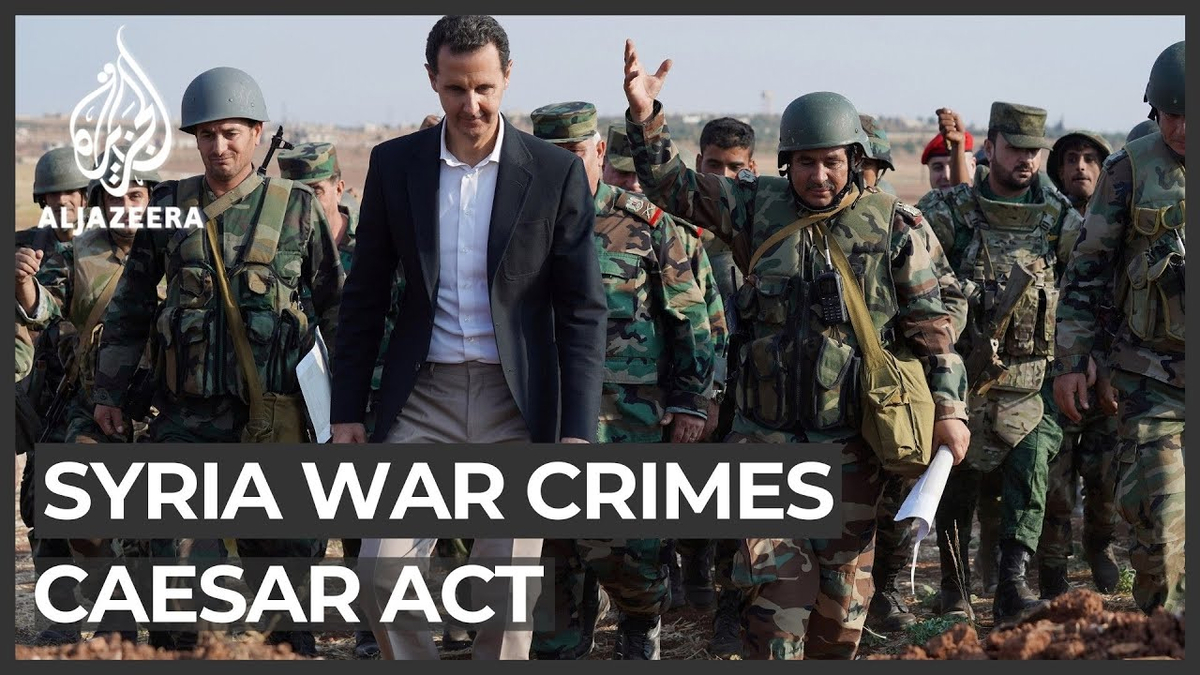
The implementation of the Caesar Act sanctions on Syria
Syria

Political
Global Trade
6 min read
Updated By: History Editorial Network (HEN)
Published:
The implementation of the Caesar Act sanctions on Syria marked a critical point in international efforts to address human rights violations and war crimes in the region. Named after a Syrian military photographer who defected with extensive evidence of torture and atrocities committed by the Assad regime, the Caesar Act aimed to apply severe economic pressure on the Syrian government. The sanctions targeted the Syrian regime’s leadership, military apparatus, and key industry sectors including oil and gas, construction, and financial services.
The broader goal was to compel the Assad regime to halt human rights abuses and engage in meaningful political negotiations. By design, the sanctions were comprehensive, extending to any foreign entities or individuals assisting the Syrian government, thus deterring international investment and cooperation with Syria.
The sanctions had widespread ramifications. Domestically, they exacerbated the economic crisis in Syria, already suffering from the impact of prolonged civil war. The Syrian pound plummeted in value, inflation soared, and basic commodities became scarcer, leading to increased hardship among the civilian population. Essential infrastructure projects faced delays or cancellations due to restrictions on materials and financial transactions.
Internationally, the sanctions further isolated the Syrian regime, complicating its diplomatic and economic relations. Countries and companies worldwide reconsidered their engagements with Syria to avoid punitive measures from the United States. This scrutiny had a ripple effect, impacting Syrian allies and financial supporters.
Key statistics highlight the depth of the economic impact. For example, the Syrian pound lost significant value, trading at thousands of pounds to one US dollar in the black market. Inflation rates surged, reportedly hitting triple digits, contributing to widespread poverty and unemployment. Humanitarian organizations warned of worsening living conditions, with millions at risk of hunger and inadequate medical care.
Despite the humanitarian crises, the sanctions aimed to bring about accountability and justice, leveraging economic tools to pressure a regime accused of severe human rights abuses. The international community's response to these sanctions varied, with debates on their effectiveness and ethical implications, but the main objective remained the cessation of human rights violations and fostering a peaceful resolution to the ongoing conflict.
#SyriaSanctions #HumanRights #CaesarAct #EconomicPressure #MoofLife

Explore the Life Moments of
 AI Twin