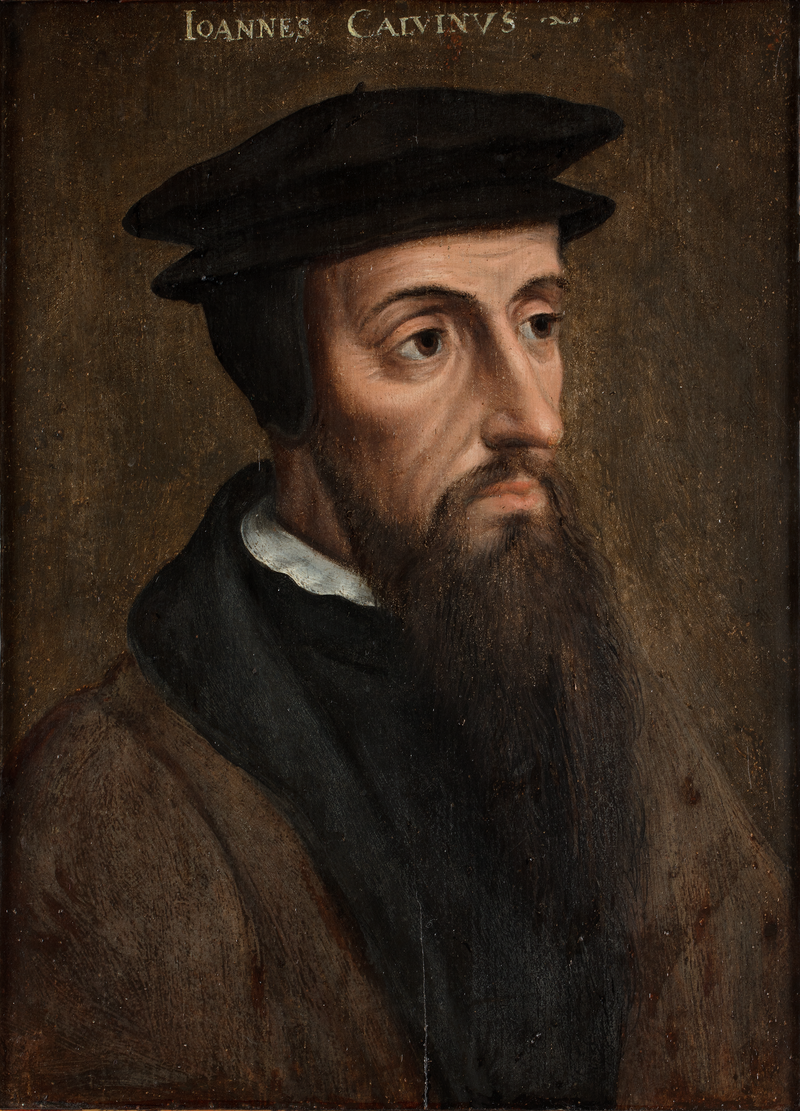
John Calvin's Reformation in Geneva
Switzerland
Religious Turbulence
Religious Reform
4 min read
Updated By: History Editorial Network (HEN)
Published:
In the early 16th century, Geneva was undergoing religious turmoil, torn between Catholicism and Protestantism. Seeking to establish a more organized Protestant movement in the city, John Calvin arrived in Geneva in 1536. Despite initial opposition and exile, Calvin returned to Geneva in 1541, determined to implement his vision of a reformed society based on strict moral laws and discipline.
The introduction of Calvin's reformation in Geneva brought significant changes to the city. Under his leadership, Geneva became a center for Protestantism, attracting followers from across Europe. Calvin's teachings emphasized predestination, the authority of scripture, and the importance of living a pious life. The establishment of a theocratic government in Geneva ensured that religious and civic life were closely intertwined, with strict regulations imposed on behavior and beliefs.
Calvin's influence extended beyond Geneva, as his writings and teachings spread throughout Europe, shaping the development of Protestant theology and doctrine. His emphasis on education led to the founding of the Geneva Academy, which later became a renowned center of learning.
The impact of Calvin's reformation in Geneva can still be seen today, as the city remains a symbol of Protestantism and religious reform. The principles of Calvinism, including individual responsibility, hard work, and discipline, continue to influence societies around the world.
#GenevaReformation #JohnCalvin #ReligiousTurbulence #Protestantism #TheocraticGovernment #Calvinism #Education #ReligiousReform

Explore the Life Moments of
 AI Twin