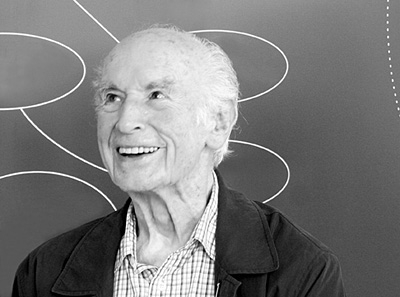
Creation of LSD by Swiss chemist Dr. Albert Hofmann
Switzerland

Science
Social & Cultural
4 min read
Updated By: History Editorial Network (HEN)
Published:
Swiss chemist Dr. Albert Hofmann synthesized LSD (Lysergic acid diethylamide) in Basel, Switzerland. Hofmann was conducting research on lysergic acid derivatives when he accidentally ingested a small amount of LSD and experienced hallucinogenic effects. Intrigued by this discovery, he deliberately consumed a larger dose a few days later, leading to the first intentional LSD trip in history.
The impact of Hofmann's accidental discovery was significant, as it laid the foundation for further research into psychedelic substances. LSD quickly gained popularity in psychiatric and therapeutic settings for its potential to treat various mental health conditions. However, its recreational use also grew in the following years, particularly during the counter-culture movement of the 1960s.
Despite its initial promise, LSD became controversial due to its association with countercultural movements, leading to its criminalization in many countries. Research into its therapeutic potential was also hindered for several decades. In recent years, there has been a resurgence of interest in studying the effects of LSD on mental health, with some researchers exploring its potential in treating conditions such as depression, anxiety, and PTSD.
The synthesis of LSD by Dr. Albert Hofmann marked the beginning of a new era in psychedelic research, opening up possibilities for both therapeutic innovation and recreational use. The legacy of LSD continues to spark debate and intrigue in scientific, cultural, and social circles worldwide.
#Switzerland #LSD #AlbertHofmann #Psychedelics #Research

Explore the Life Moments of
 AI Twin