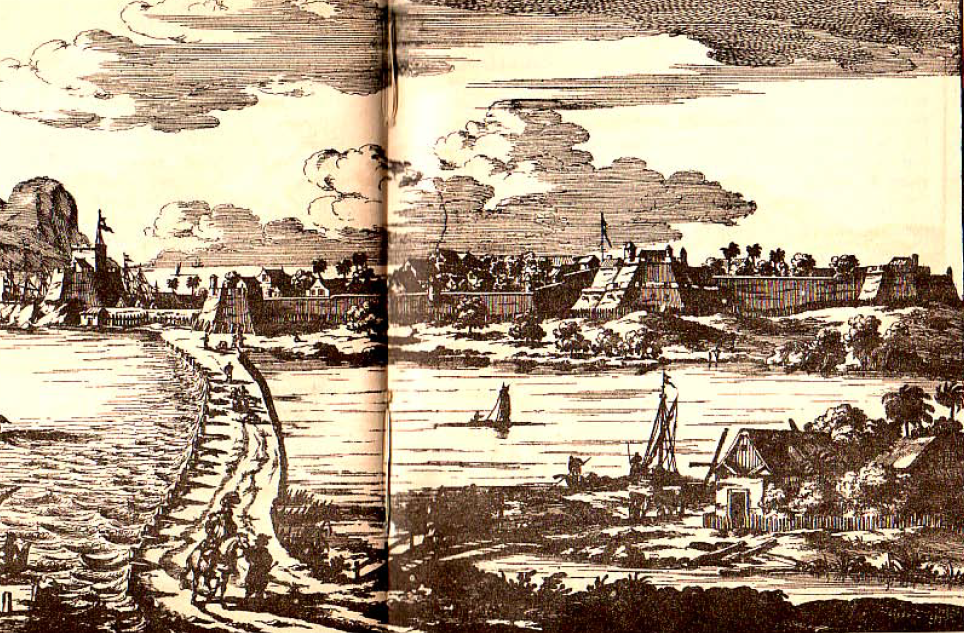
Historical Fort Construction in Galle
Sri Lanka

Cultural Heritage
Colonial Architecture
Maritime Trade
5 min read
Updated By: History Editorial Network (HEN)
Published:
The construction of the Dutch Fort in Galle marked a pivotal development in the colonial history of Sri Lanka. The fort was established by the Dutch after they captured Galle from the Portuguese. Built to ensure maritime dominance and protect trade routes, the fort became a strategic point for the Dutch East India Company (VOC).
The site chosen for the fort was previously fortified by the Portuguese, but the Dutch expanded and strengthened the structure significantly. It encompassed key architectural features of European military engineering of that period, including thick walls and bastions designed to withstand artillery attacks. The fort covered approximately 52 hectares and included a complex network of streets, residential quarters, churches, and administrative buildings, showcasing a blend of European and South Asian architectural styles.
The construction phase saw significant involvement from local laborers and craftsmen, who worked alongside Dutch engineers, reflecting a mix of local and foreign influences in the fort's design. The fortifications included prominent bastions such as the Sun, Moon, Star, and others, which were strategically positioned to oversee the harbor and town.
Galle Fort quickly grew into a prominent administrative and trade hub under Dutch rule, facilitating the export of local goods such as cinnamon, cloves, and other spices. It contributed significantly to the region's economy and served as a critical link in the Dutch maritime empire across the Indian Ocean.
The impact of the fort was felt for centuries, as it remained a crucial site through subsequent British control and into modern times. Its enduring legacy is evident as Galle Fort is recognized as a UNESCO World Heritage Site, drawing tourists and scholars alike.
The strategic importance and historical relevance of the Dutch Fort in Galle highlight the broader narrative of colonial expansion and the blending of cultures in Sri Lanka.
#DutchFortGalle #SriLankaHistory #ColonialArchitecture #MaritimeTrade #CulturalHeritage #UNESCO #MoofLife
Primary Reference
Galle Fort - Wikipedia

Explore the Life Moments of
 AI Twin