First spacecraft to orbit Venus
Orbit and surface of Venus
Space Exploration
Planetary Science
History of Spacecraft
4 min read
Updated By: History Editorial Network (HEN)
Published:
Updated:
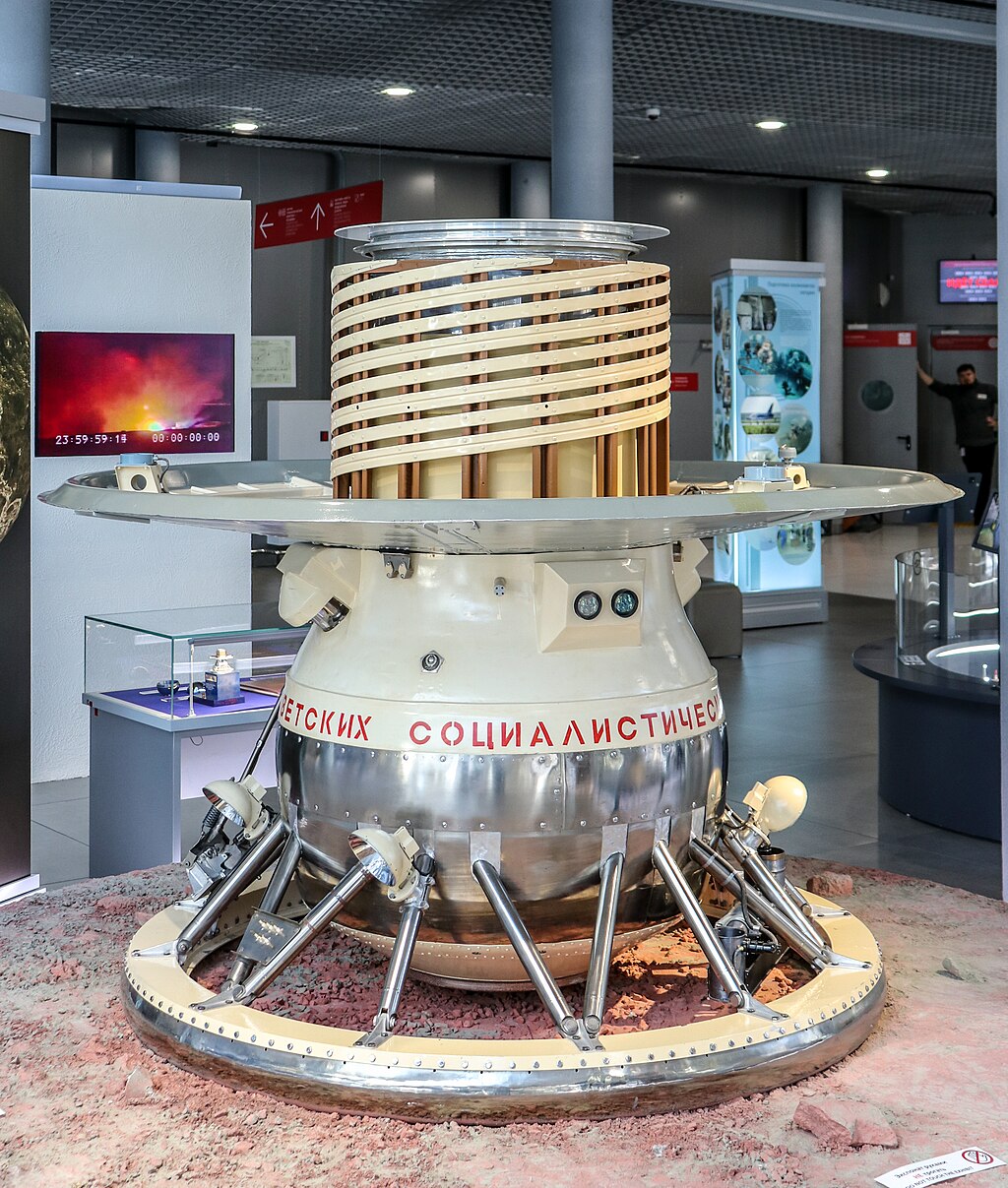
On 20/10/1975, the Soviet Union’s Venera 9 spacecraft successfully entered orbit around Venus, becoming the first spacecraft to achieve orbit around the planet. The mission, launched on 08/06/1975, was designed as a dual-component system consisting of an orbiter and a lander, enabling both atmospheric study and direct surface exploration.
After orbital insertion, the Venera 9 orbiter began studying Venus’s dense cloud layers and atmospheric conditions, collecting data on temperature, pressure, and cloud structure. In addition to its scientific role, the orbiter served as a communications relay for the lander module, a technique that allowed data from the surface to be transmitted back to Earth more effectively. This relay approach was a key advancement in planetary mission design.
Two days later, on 22/10/1975, the Venera 9 lander descended through Venus’s atmosphere and touched down on the surface in the Beta Regio region. Using the orbiter to relay signals, the lander transmitted the first-ever images from the surface of another planet. These black-and-white panoramic photographs revealed a rocky terrain under extreme environmental conditions, providing the first direct visual evidence of Venus’s surface.
The combined success of the orbiter and lander marked a coordinated approach to planetary exploration, where orbital and surface missions worked together to expand scientific understanding. Venera 9’s achievements contributed to future missions to Venus and demonstrated the effectiveness of integrated spacecraft systems for exploring other planets.
#mooflife
#MomentOfLife
#Venera9
#VenusExploration
#SpacecraftHistory
#SovietSpaceProgram
#PlanetaryScience
Primary Reference
Venera 9

Explore the Life Moments of
 AI Twin