First Spacecraft to Flyby Neptune
Neptune flyby, outer Solar System
Space Exploration
Astronomy
Planetary Science
4 min read
Updated By: History Editorial Network (HEN)
Published:
Updated:
On 25/08/1989, NASA’s Voyager 2 spacecraft became the first and only probe to fly past Neptune, completing the final planetary encounter of its extended mission known as the “Grand Tour” of the outer Solar System. After traveling for nearly 12 years since its launch on 20/08/1977, Voyager 2 approached Neptune and conducted a close flyby at a distance of approximately 4,951 kilometers above the planet’s north pole.
During the encounter, Voyager 2 transmitted detailed images and scientific data that transformed understanding of Neptune. Among its most notable observations was the Great Dark Spot, a large storm system in Neptune’s southern hemisphere comparable in size to Earth. The spacecraft also measured wind speeds reaching up to 2,100 kilometers per hour, the fastest recorded in the Solar System at the time. These findings challenged earlier assumptions about atmospheric activity on distant, cold planets.
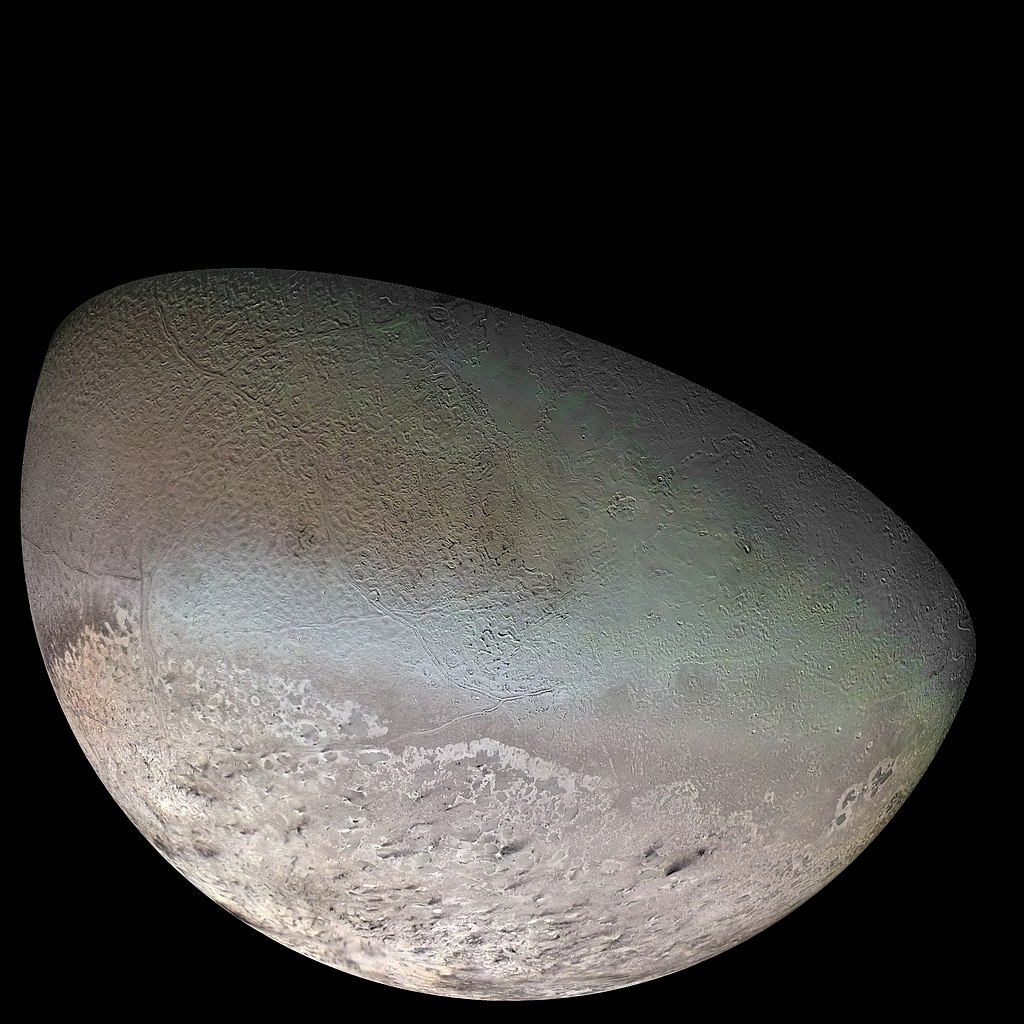
Voyager 2 identified six previously unknown moons orbiting Neptune, including Proteus and Larissa, and provided confirmation of a faint ring system composed of four distinct rings. The flyby also delivered the first close-up observations of Triton, Neptune’s largest moon. Images revealed a geologically active surface with nitrogen geysers erupting from beneath icy terrain. Triton’s surface temperature was measured at approximately −235°C, making it the coldest known planetary body observed up to that point.
The Neptune encounter marked the conclusion of Voyager 2’s primary planetary exploration mission. Following the flyby, the spacecraft continued its journey into interstellar space as part of the Voyager Interstellar Mission, carrying instruments designed to study the outer boundaries of the Sun’s influence.
#mooflife
#MomentOfLife
#Voyager2
#Neptune
#Nasa
#SpaceExploration
#PlanetaryScience
Primary Reference
Voyager 2

Explore the Life Moments of
 AI Twin