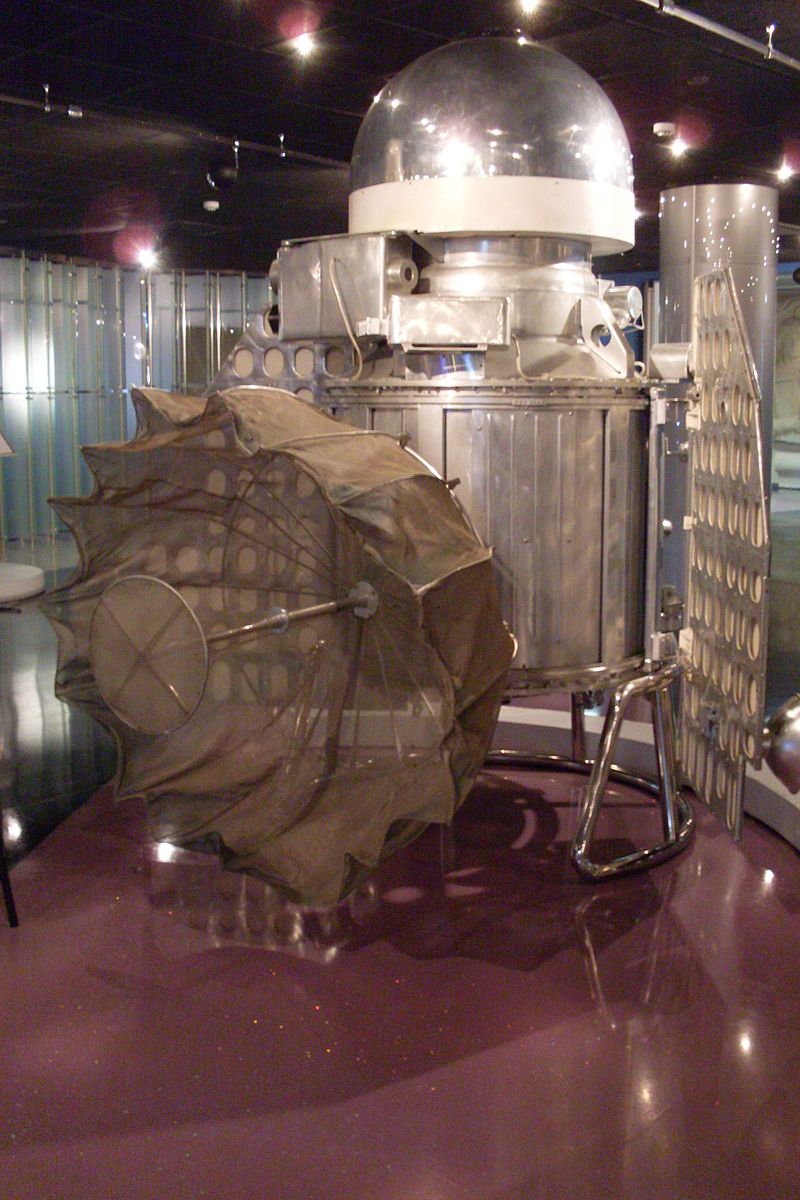
First launch from Earth orbit
United States of America
Space Exploration
Aerospace Engineering
History of Science
3 min read
Updated By: History Editorial Network (HEN)
Published:
Updated:
The Venera 1 mission marked a pivotal advancement in space exploration as it achieved the first launch from Earth orbit of an upper stage into a heliocentric orbit. This mission was significant for several reasons, including the implementation of mid-course corrections and the introduction of spin-stabilization techniques. The Venera program, initiated by the USSR, aimed to explore Venus and gather data about its atmosphere and surface conditions. Although Venera 1 did not return any data due to a loss of communication, it set the stage for subsequent missions that would eventually provide valuable insights into the planet's environment. The successful launch demonstrated the capabilities of upper stage rockets and the potential for interplanetary travel, influencing future space missions and the development of technology necessary for deep space exploration. The advancements made during this mission contributed to the broader understanding of space dynamics and paved the way for future missions to other celestial bodies, highlighting the importance of precision in trajectory adjustments and stabilization methods in space travel.
#mooflife
#MomentOfLife
#Venera1
#SpaceExploration
#HeliocentricOrbit
#UpperStageLaunch
#Mid-courseCorrections
Primary Reference
Venera 1

Explore the Life Moments of
 AI Twin