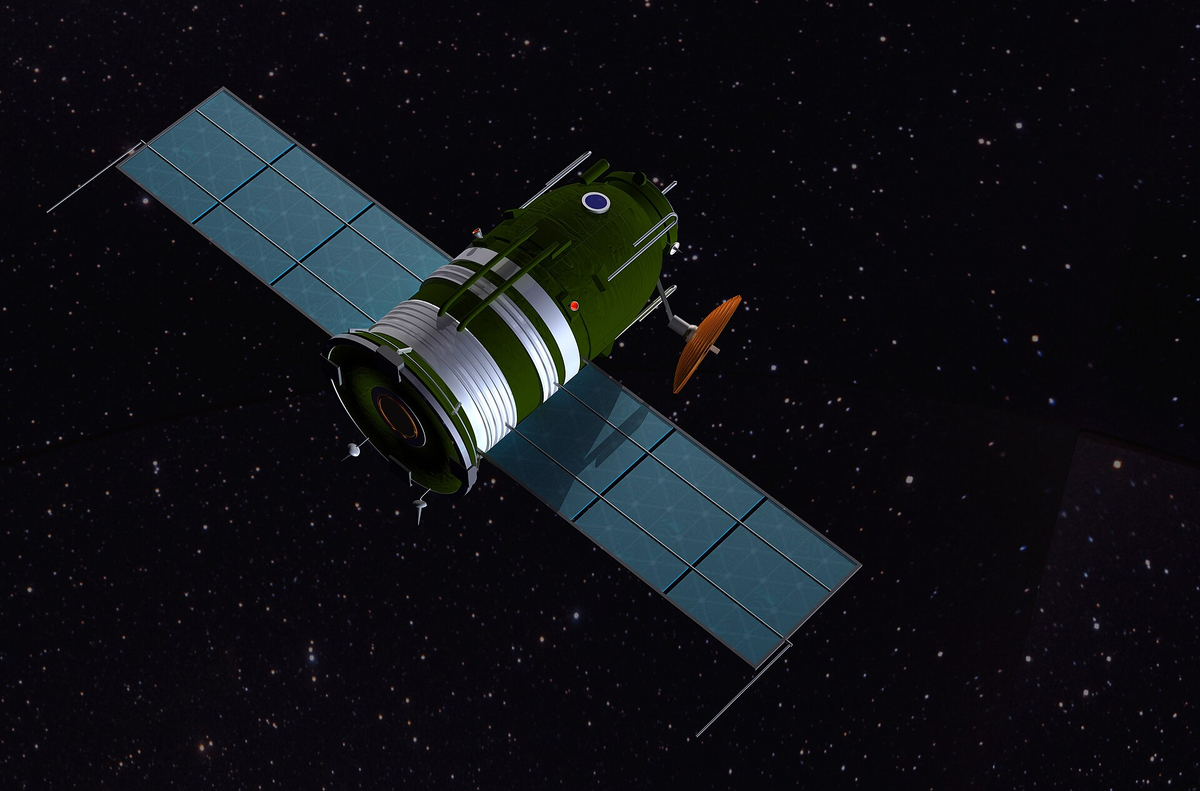
First animals and plants to leave Earth orbit
Baikonur Cosmodrome to circumlunar trajectory and Indian Ocean splashdown
Space Exploration
Lunar Missions
Animal Research
3 min read
Updated By: History Editorial Network (HEN)
Published:
Updated:
On 15/09/1968, the Soviet Union launched the Zond 5 spacecraft from the Baikonur Cosmodrome, initiating the first mission to carry living organisms around the Moon and return them safely to Earth. Part of the Soviet Zond program, the mission used a modified Soyuz spacecraft designed for circumlunar travel. Zond 5 was uncrewed but carried biological specimens, including two tortoises, flies, mealworms, plants, seeds, bacteria, and other microorganisms to study the effects of deep-space travel on living systems.
After launch, Zond 5 followed a trajectory that took it around the Moon on 18/09/1968, reaching a distance of approximately 1,950 kilometers above the lunar surface. The spacecraft transmitted images of Earth during its journey, including some of the earliest photographs of Earth from deep space. The biological payload was monitored throughout the mission, providing data on radiation exposure and the physiological impact of space travel beyond Earth orbit.
Zond 5 reentered Earth’s atmosphere and splashed down in the Indian Ocean on 21/09/1968, where it was recovered by Soviet forces. The tortoises and other organisms were found alive, though some weight loss was observed. The mission demonstrated that living beings could survive a circumlunar journey and return safely, contributing to preparations for future crewed missions beyond Earth orbit.
#mooflife
#MomentOfLife
#Zond5
#SpaceExploration
#BiologicalResearch
#LunarMission
#UssrSpaceProgram
Primary Reference
Zond 5

Explore the Life Moments of
 AI Twin