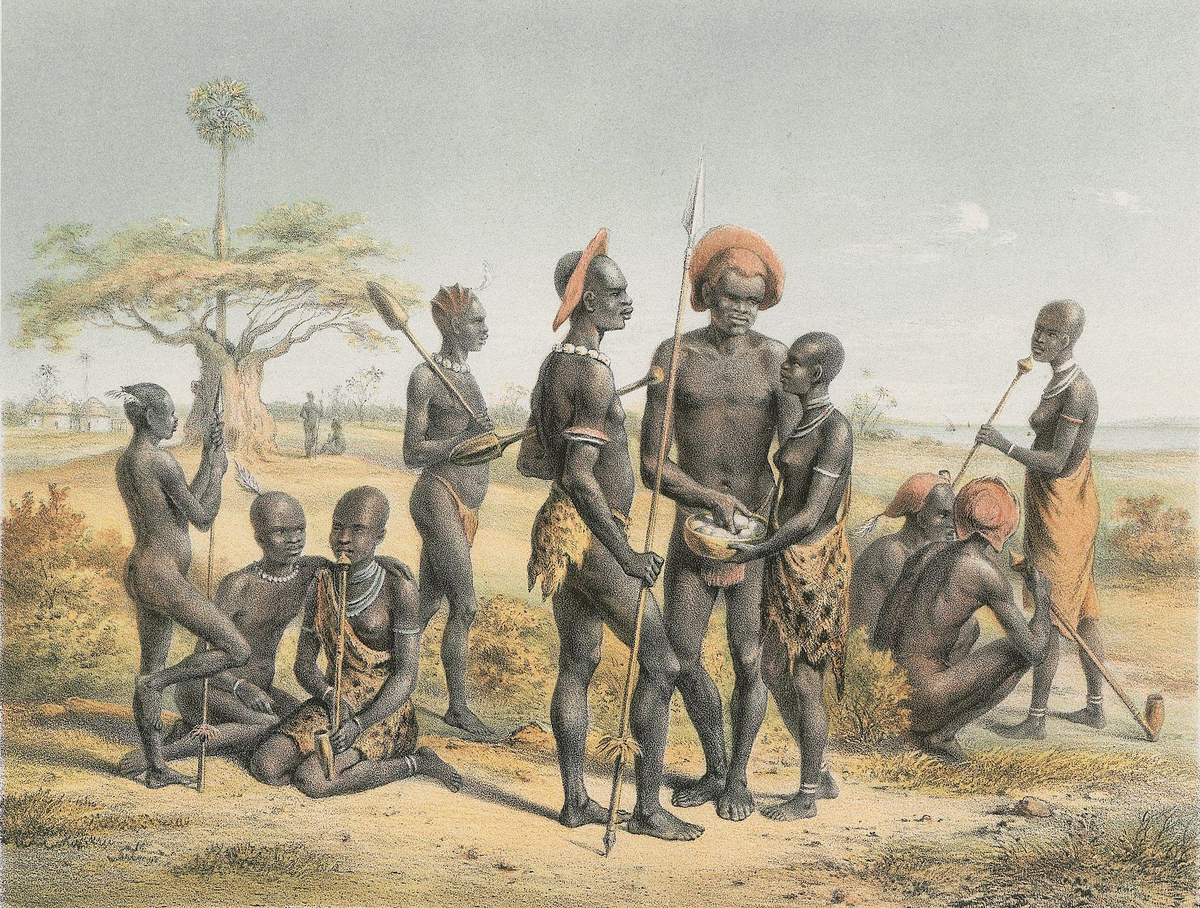
Shilluk, expanding territory to ensure prosperity and stability under Nyikang's leadership
South Sudan
Political
Cultural
4 min read
Updated By: History Editorial Network (HEN)
Published:
Updated:
Nyikang, the semi-legendary leader of the Shilluk people, played a pivotal role in their history by expanding their territory along the White Nile. Nyikang's leadership was characterized by strategic military campaigns and alliances that successfully consolidated the Shilluk kingdom's dominance in the region currently known as South Sudan. This expansion allowed the Shilluk to control significant portions of the White Nile, ensuring access to vital resources and trade routes, which were crucial for their sustenance and economic stability.
The Shilluk people, primarily fishers, and agriculturists, benefited from Nyikang's efforts as they gained control over fertile lands and waters teeming with fish. Additionally, by securing these territories, Nyikang established a foundation for a centralized administration and societal organization that promoted cultural cohesion and political stability within the Shilluk kingdom.
Under Nyikang's rule, the Shilluk developed intricate systems of governance, including hierarchical leadership structures that emphasized loyalty and service to the community. These systems facilitated the efficient management of resources and defense against external threats, thereby reinforcing the kingdom's resilience and continuity over generations.
The impact of Nyikang's reign can still be observed in the cultural and political fabric of the Shilluk people today. His legacy is celebrated in their oral traditions and rituals, symbolizing unity and strength. The expansion of the Shilluk territory under Nyikang not only marked a period of growth and prosperity but also laid the groundwork for future generations to sustain their heritage and identity.
#NyikangLegacy #ShillukHistory #WhiteNileExpansion #SouthSudanHistory #MoofLife
Primary Reference
Shilluk Kingdom - Wikipedia

Explore the Life Moments of
 AI Twin