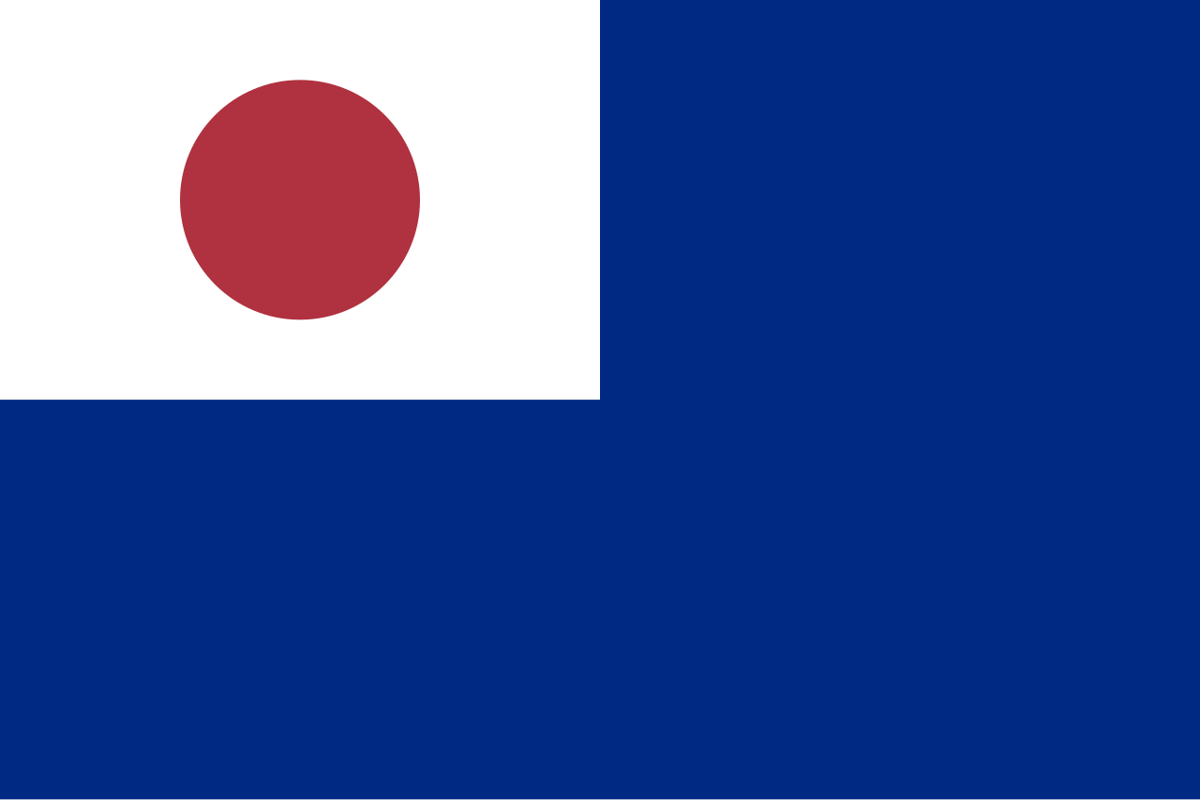
Imperial Conference integrates Korea into Japanese Empire
South Korea
Political
4 min read
Updated By: History Editorial Network (HEN)
Published:
In Japan, the Imperial Conference took place, marking the official integration of Korea into the Japanese Empire. This decision followed Japan's annexation of Korea in 1910 after years of political and economic influence over the Korean peninsula. The conference solidified Japan's control over Korean government, economy, and culture, imposing Japanese language and customs.
The integration of Korea into the Japanese Empire had profound implications for the Korean people. It led to the suppression of Korean identity, language, and traditions, as well as the enforcement of Japanese policies and laws. This had a lasting impact on Korean society, contributing to tensions and resistance against Japanese colonial rule.
The Imperial Conference held in Japan was a pivotal moment in the history of Korea, symbolizing the loss of sovereignty and autonomy for the Korean people. It served as a catalyst for Korean nationalist movements and efforts to regain independence. The conference established a system of oppression and discrimination that would shape Korean-Japanese relations for decades to come.
In modern-day South Korea, the legacy of the Imperial Conference continues to influence discussions about national identity, historical memory, and reconciliation. It serves as a reminder of the enduring impact of colonialism and the struggle for self-determination. The integration of Korea into the Japanese Empire remains a significant chapter in the shared history of South Korea and Japan.
#ImperialConference #JapaneseEmpire #KoreanHistory #Colonialism #Nationalism
Explore the Life Moments of
 AI Twin