Launch of PlayStation Portable PSP Go
Japan
Gaming
Technology
3 min read
Updated By: History Editorial Network (HEN)
Published:
Updated:
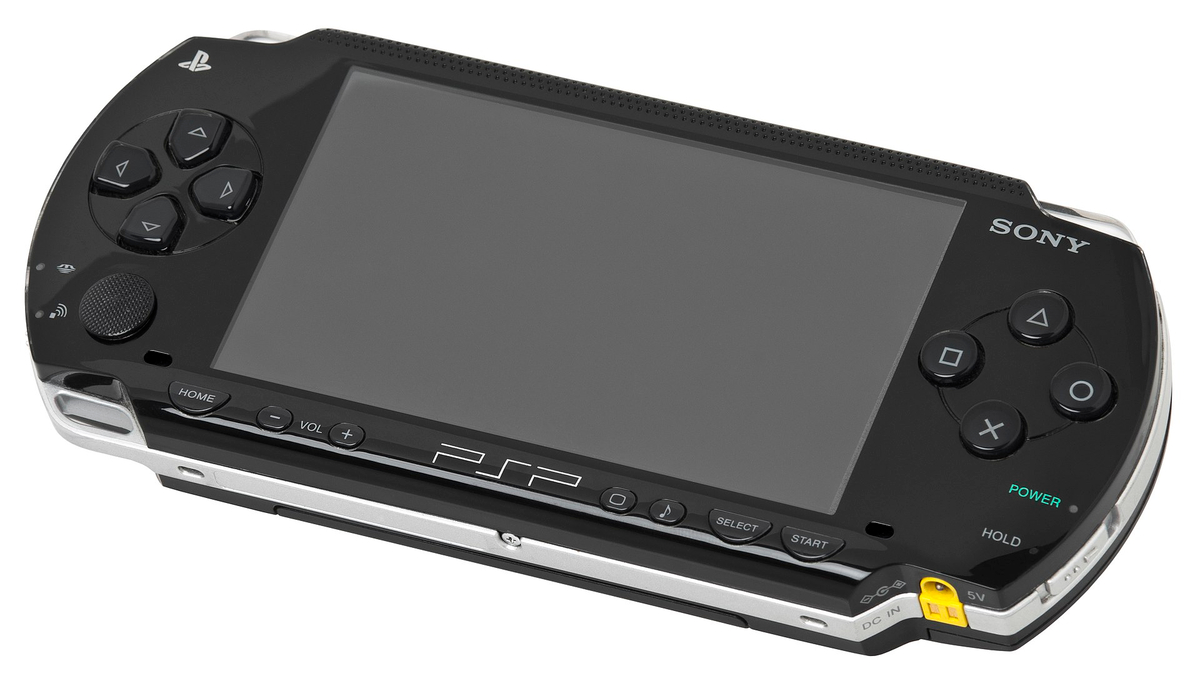
The PlayStation Portable (PSP) was a handheld gaming console developed by Sony, which initially utilized the Universal Media Disc (UMD) format for games and movies. The UMD format was designed to provide a portable medium for high-quality content, but over time, it faced challenges, including a decline in support from major studios for movie releases. In response to changing consumer preferences and the growing trend towards digital content, Sony introduced the PSP Go, a disc-less version of the original PSP. This model marked a shift in Sony's approach to portable gaming, emphasizing digital downloads over physical media. The PSP Go featured a sliding screen design and a built-in memory for storing games and media, catering to users who preferred a more streamlined and portable gaming experience. The device was part of Sony's strategy to adapt to the evolving landscape of gaming, where digital distribution was becoming increasingly popular. Despite its innovative design and features, the PSP Go faced mixed reviews from consumers and critics, particularly regarding its limited game library and the absence of UMD support, which restricted access to existing PSP titles. The launch of the PSP Go highlighted the challenges and opportunities in the gaming industry as it transitioned towards digital platforms, influencing future developments in handheld gaming devices.
#mooflife
#MomentOfLife
#PlaystationPortable
#PspGo
#SonyGaming
#HandheldConsole
#DigitalGaming

Explore the Life Moments of
 AI Twin