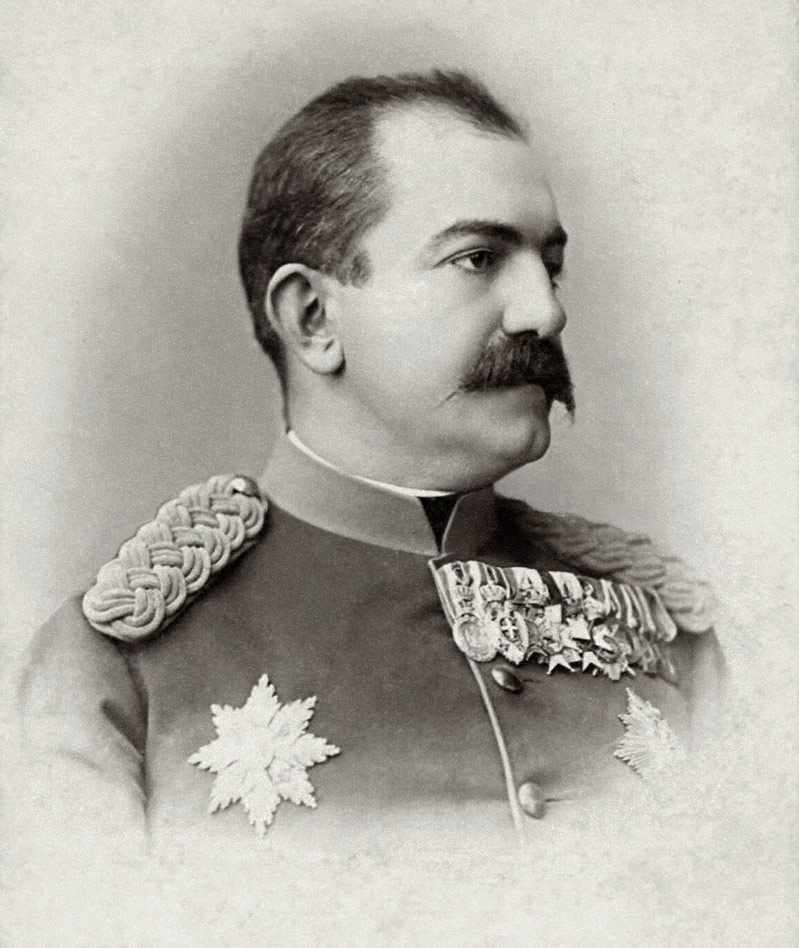
King Milan I's sudden abdication shocks the nation and raises questions about the future.
Serbia
Political Change
5 min read
Updated By: History Editorial Network (HEN)
Published:
King Milan I of Serbia, having ascended to the throne during his youth, faced a multitude of political, economic, and social challenges throughout his reign. The culmination of his rule was marked by his voluntary step down from the throne. This moment in Serbian history was driven significantly by the immense pressure and dissatisfaction from various factions within the country.
During his rule, Milan I saw the transformation of Serbia from a principality to a kingdom, formally being proclaimed King of Serbia. However, his policies were often seen as controversial, eliciting strong reactions from both supporters and opposers. His lean towards Austro-Hungarian influences generated considerable internal strife, creating a disconnect with nationalist elements who favored alignment with Russia. The public dissatisfaction was further compounded by financial strains and administrative inefficiencies.
Amidst growing opposition, Milan I sought to implement reforms aimed at modernizing the state and the military. Yet, these measures failed to placate the increasingly discontented populace and the political elites. The Serbian Radical Party, representing the opposition, rapidly gained influence and pushed for democratic reforms which clashed with the king's authoritarian style.
Under continued political and personal pressure, and in an environment of escalating tension, King Milan I decided to renounce his crown. His abdication was intended to restore stability and pave the way for his son, Alexander I, to take the throne and perhaps achieve a more harmonious relationship with the evolving political landscape of Serbia.
The abdication of King Milan I had significant implications for the country. It marked the end of a tumultuous period and the beginning of a new era under King Alexander I. The transition in leadership reflected broader movements towards constitutionalism and modern governance within Serbia. It also underscored the complex dynamics of Serb-Austro-Hungarian relations and the internal push for greater national autonomy and democratic practices.
#MoofLife #Serbia #Monarchy #PoliticalShifts #HistoricalChange #NationalAutonomy
Primary Reference
Milan I of Serbia - Wikipedia
Explore the Life Moments of
 AI Twin