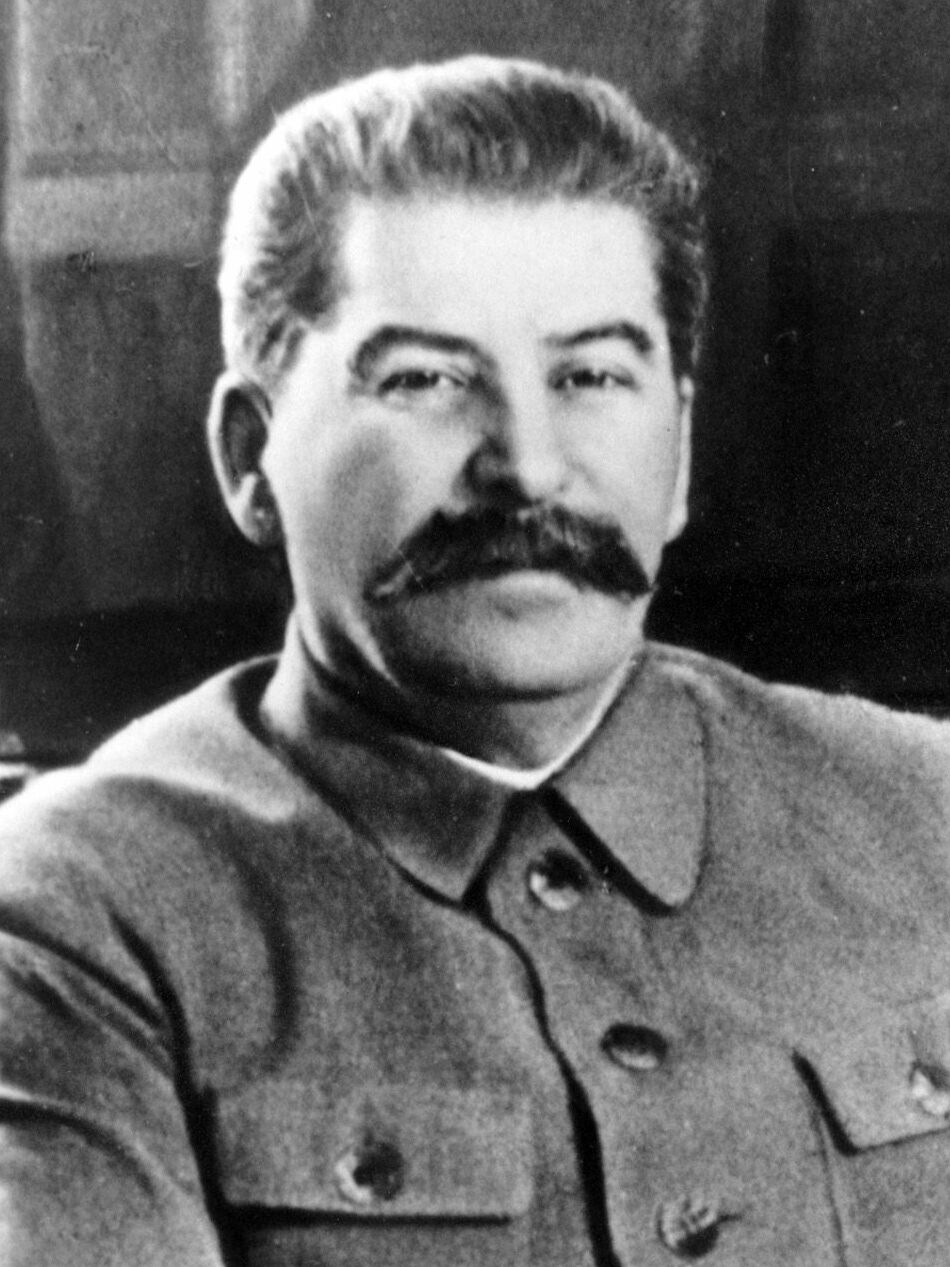
The Rise of Joseph Stalin in Soviet Union
Russia

Political
3 min read
Updated By: History Editorial Network (HEN)
Published:
Following the death of Vladimir Lenin, the Soviet Union witnessed a power struggle within the Communist Party to fill the leadership vacuum. Joseph Stalin emerged as the leader of the Soviet Union by skillfully outmaneuvering his rivals, including Leon Trotsky. Stalin's rise to power marked a shift in Soviet policies and governance, with his emphasis on consolidating power and implementing a command economy through five-year plans.
Stalin's leadership was characterized by widespread purges, mass repressions, and the establishment of a authoritarian regime. His policies led to the industrialization of the Soviet Union but also resulted in the suffering of millions of people through forced labor camps and political persecution. Under Stalin's rule, the Soviet Union emerged as a global superpower, challenging the dominance of Western capitalist nations.
The impact of Stalin's leadership on the Soviet Union was profound and far-reaching, shaping the country's political, social, and economic landscape for decades to come. Despite the atrocities committed during his reign, Stalin remains a controversial figure in Russian history, with some viewing him as a ruthless dictator while others praise him for leading the Soviet Union to victory in World War II.
#JosephStalin #SovietUnion #Communism #Authoritarianism #Industrialization.
Explore the Life Moments of
 AI Twin