Legacy of Lenin's Death
Russia
Political
3 min read
Updated By: History Editorial Network (HEN)
Published:
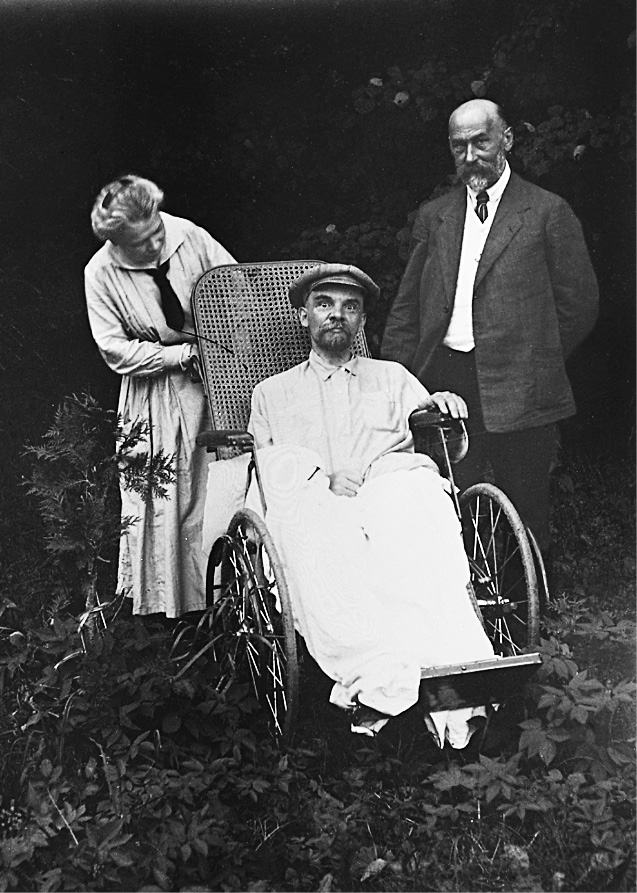
Vladimir Lenin, the leader of the Russian Revolution and the first head of the Soviet state, passed away at the age of 53. Lenin's death followed a series of strokes that had left him increasingly debilitated. His health had been in decline since a failed assassination attempt in 1918.
After Lenin's death, a power struggle ensued among the top leaders of the Bolshevik party. This ultimately led to Joseph Stalin emerging as the leader of the Soviet Union, shaping the country's future trajectory. Lenin's death marked not only the end of an era but also the beginning of a new phase in Soviet history.
Lenin's body was embalmed and placed on public display in a mausoleum in Red Square, where it remains to this day, despite his wishes to be buried. The cult of Lenin grew, with many Soviet citizens venerating him as a god-like figure. His legacy continued to influence Soviet policies and ideology for decades to come.
The death of Lenin had a profound impact on the Soviet Union and the world at large. It signaled a shift in leadership and ideology within the Communist party, paving the way for Stalin's rise to power and the beginning of a more repressive regime. Lenin's death also marked the end of an era of revolutionary zeal and idealism, giving way to a more pragmatic and authoritarian approach to governance.
#VladimirLenin #RussianRevolution #SovietUnion #JosephStalin #Communism #RedSquare #Legacy

Explore the Life Moments of
 AI Twin