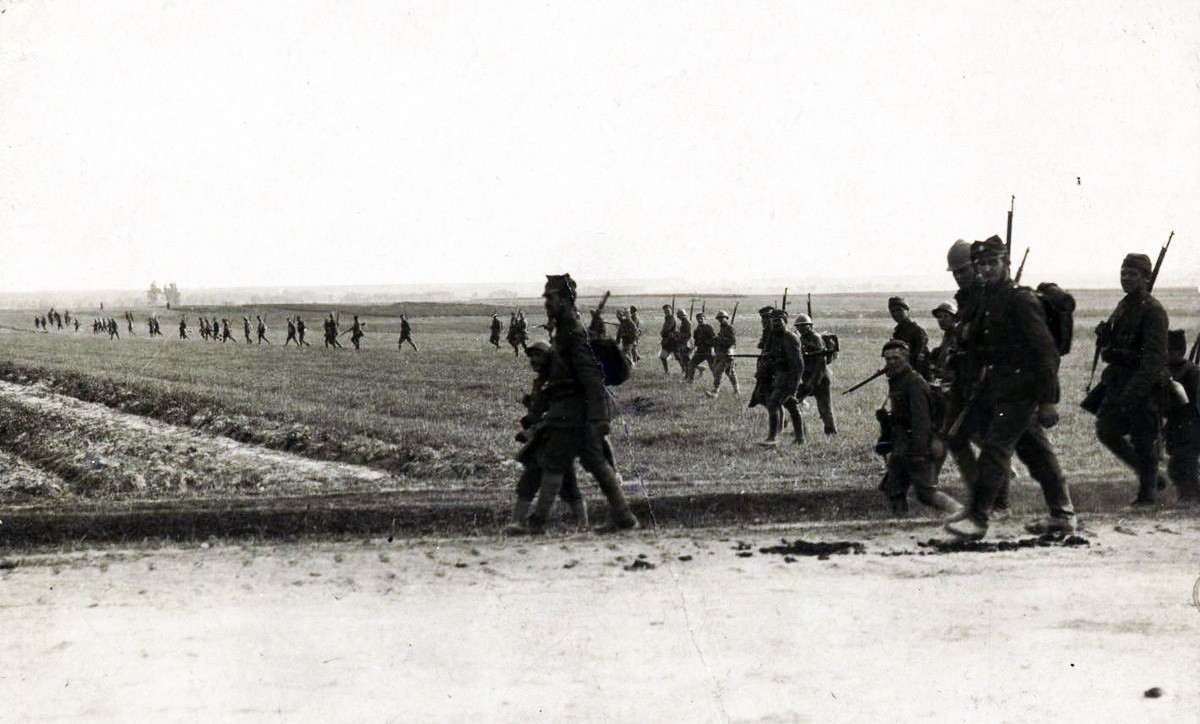
Battle of Warsaw: Poland Engages in Conflict against Russia.
Russia
Political
4 min read
Updated By: History Editorial Network (HEN)
Published:
Amidst heightened tensions between Poland and Russia, the Battle of Warsaw commenced, marking a crucial turning point in history. The conflict stemmed from territorial disputes and political differences that had been escalating for years.
On one side, the Polish forces, led by Marshal Józef Piłsudski, were determined to defend their newly regained independence and push back against Russian advances. On the other side, the Russian Red Army, under the command of Mikhail Tukhachevsky, sought to spread communist ideology and expand Soviet influence into Poland.
The battle unfolded with fierce fighting and strategic maneuvering, as both sides fought relentlessly for control. The Polish forces, despite being significantly outnumbered, displayed exceptional military prowess and managed to repel the Russian advances. The turning point came when Piłsudski launched a bold and decisive counterattack that caught the Russian forces off guard, ultimately leading to a Polish victory.
The Battle of Warsaw had far-reaching consequences, not only shaping the future of Poland but also impacting the broader geopolitical landscape of Europe. The Polish victory not only secured their independence but also dealt a significant blow to the spread of communism in the region. The outcome of the battle reverberated across the continent, demonstrating the resilience of the Polish forces and influencing the course of history.
In the aftermath of the battle, peace negotiations ensued, leading to the signing of the Treaty of Riga, which solidified the new borders between Poland and Russia. The Battle of Warsaw remains a significant chapter in the history of both nations, highlighting the enduring spirit of resilience and determination in the face of adversity.
#BattleOfWarsaw #Poland #Russia #Independence #Geopolitics #TreatyOfRiga

Explore the Life Moments of
 AI Twin