Napoleon's Invasion of Russia
Russia

Military
4 min read
Updated By: History Editorial Network (HEN)
Published:
In June 1812, Napoleon led his Grand Army into Russia, initiating one of the most infamous military campaigns in history. The invasion was fueled by Napoleon's desire to exert dominance over Russia and compel Tsar Alexander I to cooperate with his Continental System, a blockade imposed on British trade.
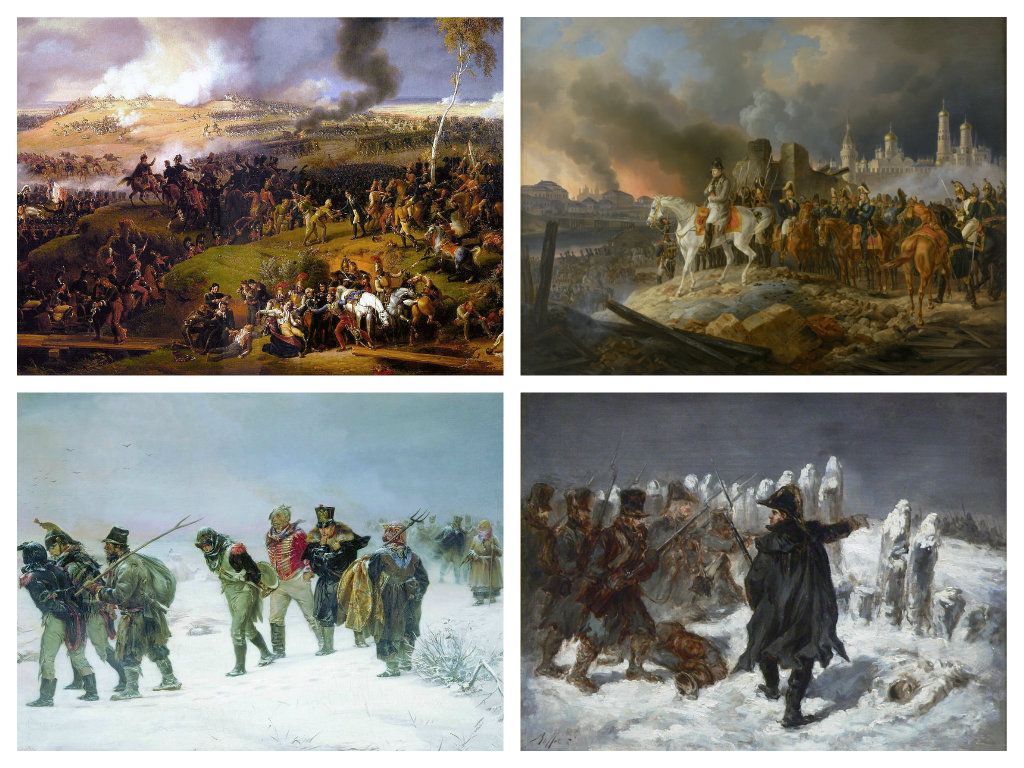
The vast distances and harsh Russian winter took a toll on Napoleon's troops, who faced supply shortages and the scorched-earth tactics of the Russian army. The Battle of Borodino in September turned out to be the bloodiest single-day battle of the Napoleonic Wars, with heavy casualties on both sides. Despite emerging victorious, the French suffered substantial losses that weakened their forces.
As the French advanced towards Moscow, they found the city abandoned and set ablaze by the retreating Russians, depriving them of crucial resources. The occupation of Moscow did not lead to a Russian surrender, leading Napoleon to begin the disastrous retreat from Russia in October.
The retreat turned into a disaster, with the harsh winter conditions, lack of supplies, and constant harassment by Russian troops decimating the Grand Army. Only a fraction of Napoleon's forces managed to make it out of Russia, marking a significant turning point in his military campaigns.
The invasion of Russia had far-reaching consequences, depleting the strength of the French army and diminishing Napoleon's power in Europe. It also emboldened other European nations to rise against French dominance, ultimately leading to Napoleon's downfall in the years that followed.
#Napoleon #Russia #Invasion #MilitaryCampaign #BattleofBorodino #Retreat #Consequences #EuropeanHistory.

Explore the Life Moments of
 AI Twin