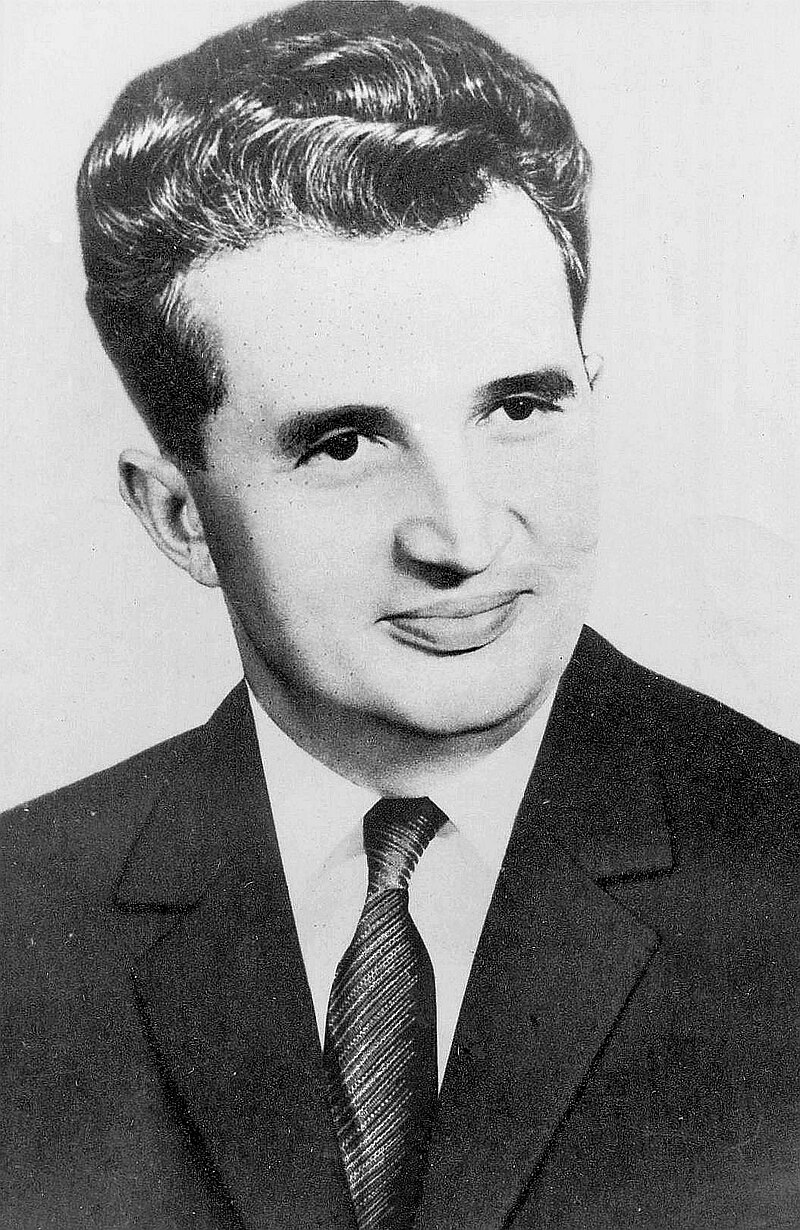
The Romanian Revolution: downfall of Nicolae Ceaușescu's regime.
Romania
Political
TransitionToDemocracy
4 min read
Updated By: History Editorial Network (HEN)
Published:
In Romania, the unrest against Nicolae Ceaușescu's communist regime reached a boiling point. People had endured years of oppressive rule, economic hardship, and censorship. On that fateful day, protests erupted in Timișoara, quickly spreading to other cities. The security forces cracked down on demonstrators, fueling more anger and resistance.
The turning point came when Ceaușescu attempted to address a large crowd in Bucharest. The people, emboldened and desperate for change, began jeering and booing the dictator. Soon, the military turned against him, leading to his capture. Ceaușescu and his wife were swiftly tried and sentenced to death by firing squad.
The ousting of Ceaușescu marked the end of over four decades of communist rule in Romania. The country transitioned to democracy, with a provisional government taking charge. Despite the initial chaos and uncertainty, the Romanian Revolution opened the door to reforms, including free elections and a move towards a market economy.
The aftermath of the revolution was not without challenges. Romania faced a period of political and economic instability as it navigated the transition to democracy. The legacy of Ceaușescu's regime lingered in the form of a struggling economy and a society scarred by years of repression.
However, the revolution also brought a sense of newfound freedom and hope to the Romanian people. It was a reminder of the power of collective action and the resilience of those who yearn for change. The events of that day continue to shape Romania's identity and its ongoing journey towards prosperity and democracy.
#RomanianRevolution #CeaușescuRegime #TransitionToDemocracy #CollectiveAction #HopeForChange

Explore the Life Moments of
 AI Twin