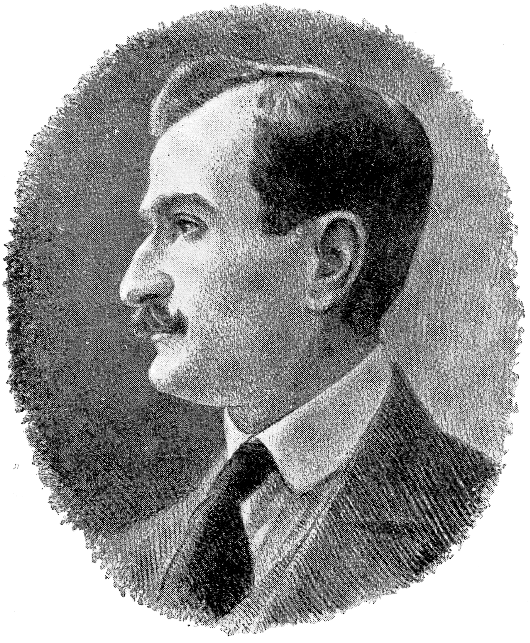
Traian Vuia's Vuia I aircraft tested in France.
Romania
Science
Technology
4 min read
Updated By: History Editorial Network (HEN)
Published:
Traian Vuia, a Romanian inventor and aviation pioneer, successfully tested his Vuia I aircraft in France. Vuia's aircraft was a significant early step in the development of aviation technology, as it was one of the first self-propelled heavier-than-air flying machines to have a successful take-off, sustained flight, and landing. Before this milestone, most flying machines relied on assistance such as catapults or high winds for take-off.
Vuia's aircraft was piloted by him during the test flight, which took place in Montesson, France. The aircraft achieved a short but controlled hop, covering a distance of about 12 meters at a height of one meter. This demonstration proved the feasibility of powered flight in a heavier-than-air machine, contributing to the advancements in aviation that were to come.
The success of the Vuia I aircraft test garnered international attention and recognition for Traian Vuia's innovative work. It showed the world that individuals outside of the renowned aviation hubs could make significant contributions to the field. Vuia's accomplishment laid the groundwork for further developments in aviation technology and inspired other inventors and engineers to push the boundaries of what was considered possible in flight.
The testing of the Vuia I aircraft marked a turning point in aviation history, showcasing the potential for manned flight in a powered, heavier-than-air machine. Traian Vuia's determination and ingenuity paved the way for future advancements in aviation, influencing the trajectory of aeronautical engineering for years to come.
#TraianVuia #AviationPioneer #InnovationInFlight.

Explore the Life Moments of
 AI Twin