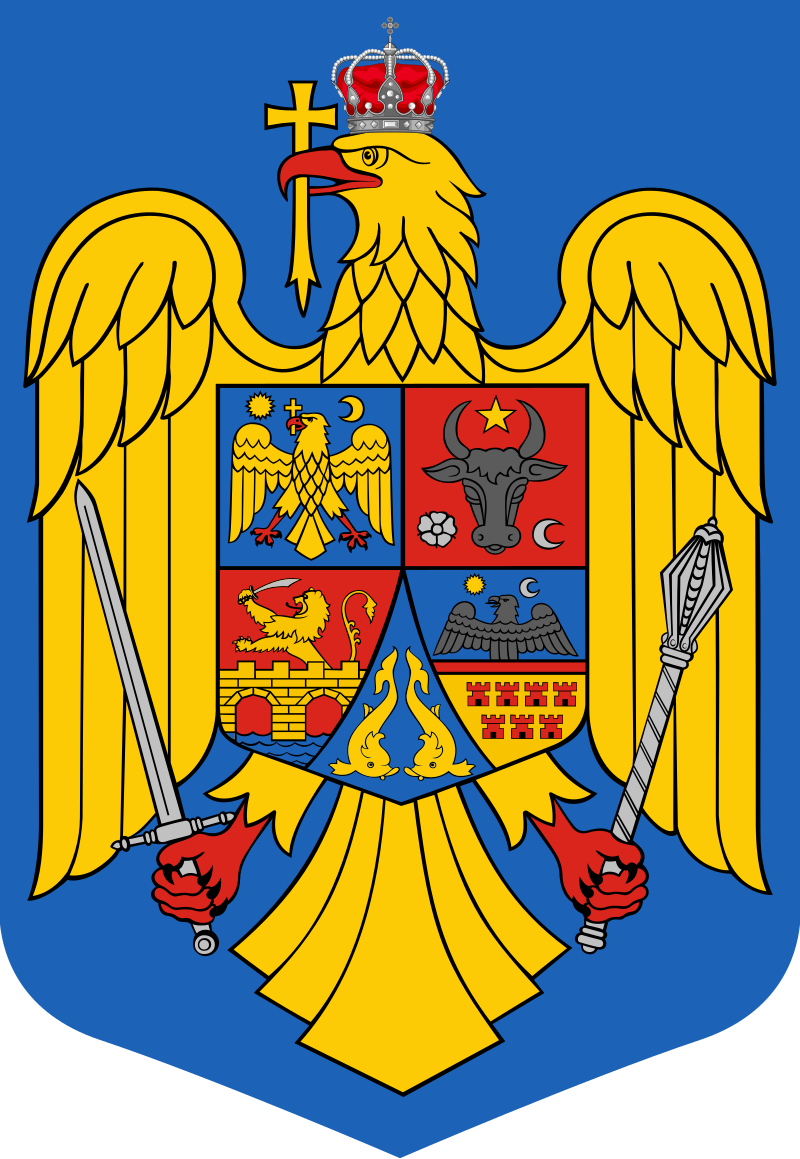
The People's Republic emerges after World War II strife.
Romania

Political
4 min read
Updated By: History Editorial Network (HEN)
Published:
Following the end of World War II, Romania found itself under Soviet influence. The rise in power of the Romanian Communist Party led to the establishment of the People's Republic of Romania, marking a crucial turning point in the country's history.
The new regime, headed by the Communist Party, implemented significant socio-economic changes. Land reforms were introduced, industrialization was prioritized, and the government pursued a policy of nationalization, targeting key sectors of the economy. These reforms aimed to transform Romania into a socialist state aligned with the Soviet Union.
The establishment of the People's Republic of Romania had far-reaching consequences for the country. The political landscape shifted significantly, with power consolidated in the hands of the Communist Party. Repression and censorship became widespread as the government sought to suppress dissent and opposition. The country's foreign policy also underwent a shift, aligning more closely with the Eastern Bloc and the Soviet Union.
Despite facing internal resistance and external criticism, the new regime remained in power for decades, shaping the course of Romanian history. The establishment of the People's Republic of Romania marked the beginning of a period of Communist rule that would last until the late 1980s.
This event underscored the impact of external forces on Romania's domestic affairs and highlighted the challenges faced by the country as it navigated the complexities of the Cold War. The legacy of this period continues to influence Romanian politics and society to this day.
#RomanianHistory #Communism #SovietInfluence #ColdWar

Explore the Life Moments of
 AI Twin