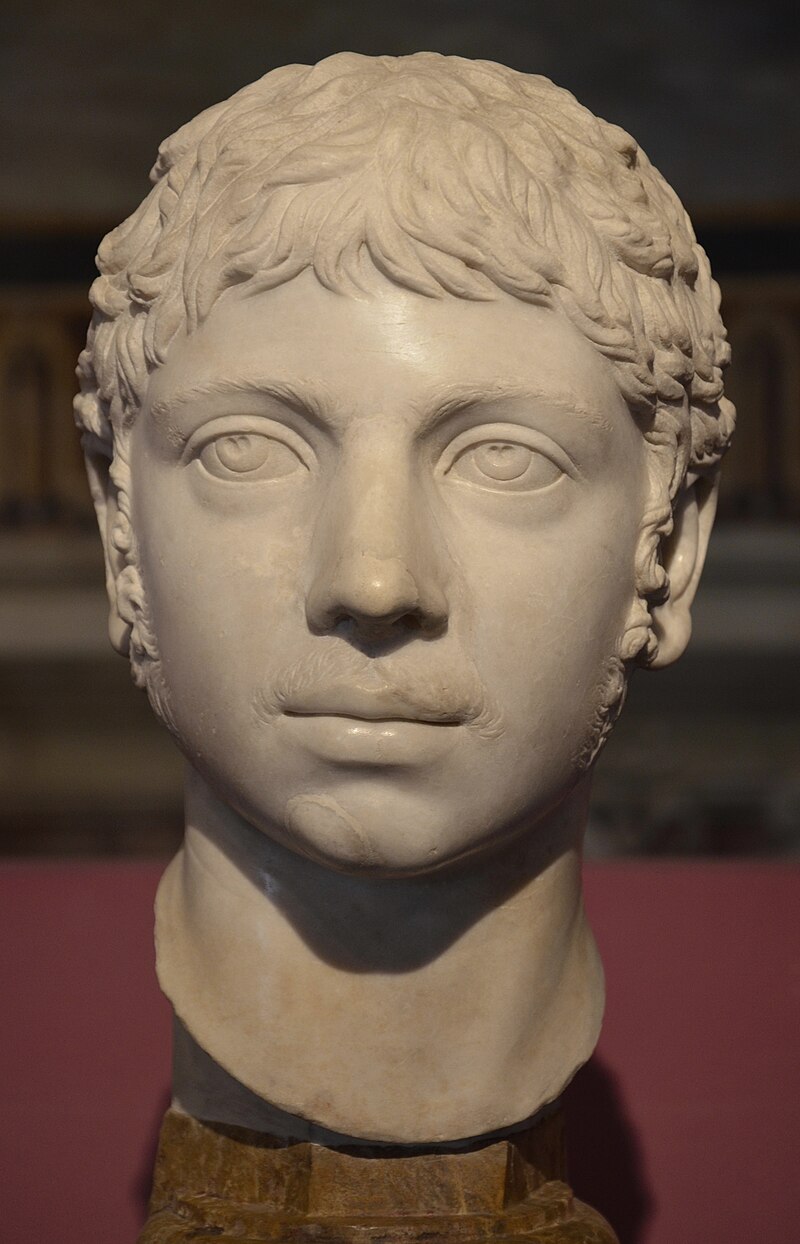
Elagabalus and His Mother Murdered
Italy
Roman History
Ancient Rulers
Political Intrigue
6 min read
Updated By: History Editorial Network (HEN)
Published:
Updated:
The assassination of Roman Emperor Elagabalus and his mother, Julia Soaemias, on 11/03/222 AD brought an abrupt end to a four-year reign marked by political instability and conflict with Rome’s traditional institutions. Elagabalus, who became emperor in 218 AD at around 14 years old, ruled during a period of tension between the imperial court, the Senate, and the Praetorian Guard. His government was closely associated with the influence of his mother and grandmother, Julia Maesa, members of the Severan dynasty who had played a key role in securing his rise to power.
In the years leading up to his death, Elagabalus faced increasing opposition, particularly due to his religious policies. He promoted the worship of the Syrian sun god Elagabal, elevating it above traditional Roman deities and attempting to integrate it into state religion. These actions, combined with reports from ancient sources describing unconventional court practices, contributed to his declining support among Rome’s political and military elite.
Recognizing the growing discontent, Julia Maesa sought to stabilize the dynasty by promoting her other grandson, Alexander Severus, as a more acceptable successor. Elagabalus was persuaded to adopt Alexander as his heir, but tensions quickly escalated as Alexander gained favor with both the Senate and the Praetorian Guard. According to historical accounts, Elagabalus later attempted to undermine and possibly eliminate Alexander. In one instance, he reportedly spread rumors about Alexander’s illness or death, prompting unrest among the Praetorian Guard, who demanded confirmation of the young heir’s safety.
The situation culminated on 11/03/222 AD, when both Elagabalus and Alexander were brought to the Praetorian camp in Rome. The guards, already hostile to the emperor, turned against him. Elagabalus and Julia Soaemias were killed by the soldiers, and their bodies were reportedly dragged through the streets and thrown into the Tiber River. Following their deaths, Alexander Severus was proclaimed emperor, with Julia Maesa continuing to exert influence during the transition.
The killings ended Elagabalus’s rule and reinforced the decisive role of the Praetorian Guard in determining imperial succession during the 3rd century AD. Ancient sources such as Cassius Dio and Herodian provide accounts of these events, though their descriptions often reflect the biases and political perspectives of the time.
#Elagabalus #RomanEmpire #PraetorianGuard #JuliaSoaemias #AlexanderSeverus #AncientRome
#mooflife
#MomentOfLife
#Elagabalus
#RomanEmpire
#PraetorianGuard
#SeverusAlexander
#JuliaMaesa
Primary Reference
Elagabalus

Explore the Life Moments of
 AI Twin