Disputed Election of Valens
Italy
Politics
Ancient Rome
6 min read
Updated By: History Editorial Network (HEN)
Published:
Updated:
The elevation of Valens to the rank of Augustus on 28/03/364 occurred during a tense transition of power in the Roman Empire following the death of Emperor Jovian earlier that year. After Jovian’s sudden death in February 364, senior military officers and officials convened at Nicaea and proclaimed Valentinian I as emperor on 26/02/364. His selection was driven largely by the army, which played a decisive role in imperial succession during this period. However, the stability of the new leadership was immediately questioned by the same military forces that had supported Valentinian’s rise.
Shortly after his elevation, the army expressed concern about the risk of another abrupt loss of leadership, given the recent deaths of emperors. Soldiers demanded that Valentinian appoint a co-emperor without delay to ensure continuity of command. According to historical accounts, Valentinian resisted the pressure initially, asserting that while the army had the authority to elevate him, the decision to appoint a colleague rested solely with him as emperor. This response reflected both his assertion of imperial authority and the delicate balance between military influence and central control.
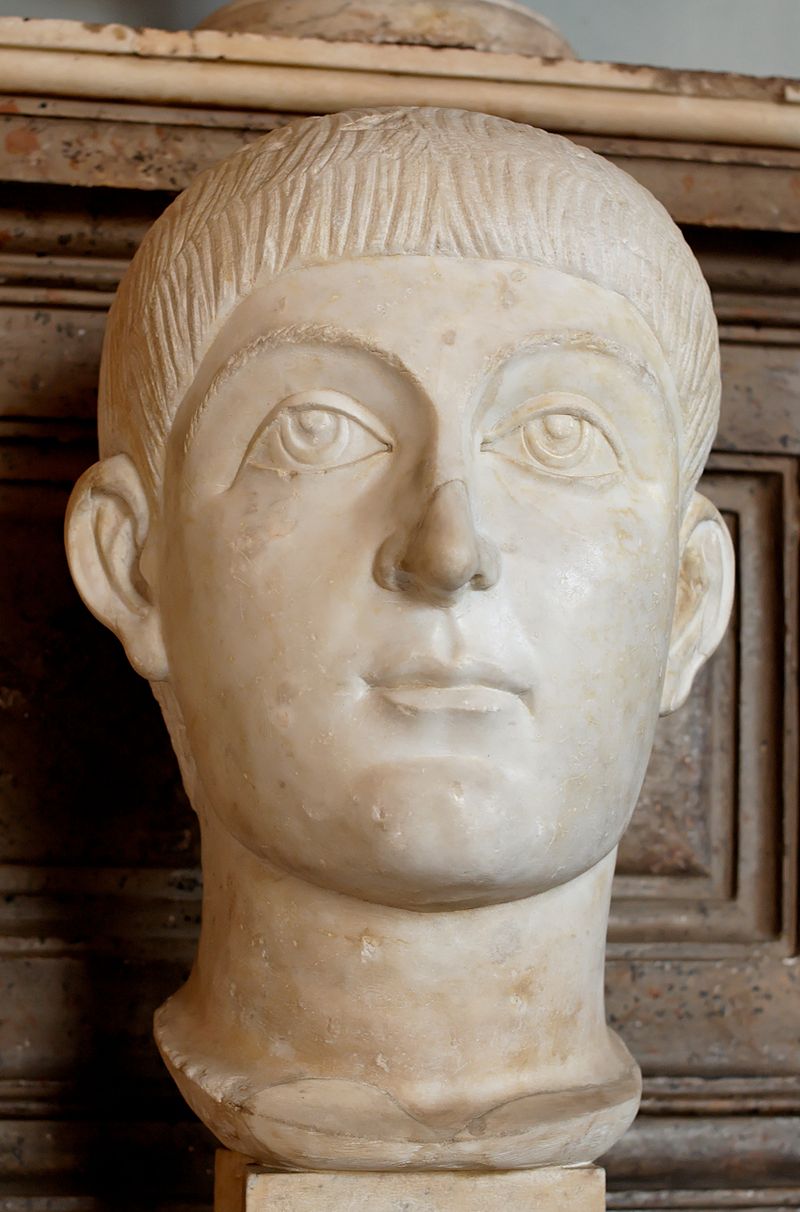
On 28/03/364, Valentinian appointed his younger brother Valens as co-emperor, granting him the title of Augustus. The appointment took place at Constantinople, solidifying a division of responsibilities within the empire. Valentinian retained control over the Western Roman Empire, while Valens was assigned governance of the Eastern provinces. Despite formal recognition, Valens’ elevation was met with skepticism and opposition among segments of the Roman elite, who questioned his experience and suitability for rule. His rise was viewed by some as a product of familial preference rather than merit or consensus.
The immediate aftermath of Valens’ appointment highlighted underlying tensions within the empire’s political and military structures. Although the dual rule system was intended to provide stability, it underscored the growing influence of the army in imperial decisions and the challenges emperors faced in maintaining legitimacy across different factions. Valens would go on to rule the Eastern Roman Empire until his death at the Battle of Adrianople in 378, a major confrontation with Gothic forces.
Why This Moment Matters:
The events surrounding 28/03/364 illustrate the evolving dynamics of imperial succession in the late Roman Empire, where military backing was essential but could also impose constraints on imperial authority. Valentinian’s handling of the army’s demands and his decision to elevate Valens shaped the administrative division between East and West, a structure that persisted in various forms in later decades.
#RomanEmpire #Valens #ValentinianI #AncientHistory #ByzantineHistory #ImperialSuccession
#mooflife
#MomentOfLife
#Valens
#Procopius
#RomanEmpire
#ImperialSuccession
#MilitaryBribery
Primary Reference
Valens-Roman-emperor

Explore the Life Moments of
 AI Twin